
Pre-Commissioning vs Commissioning: Electrical Tests, Acceptance Criteria, and Energization Readiness
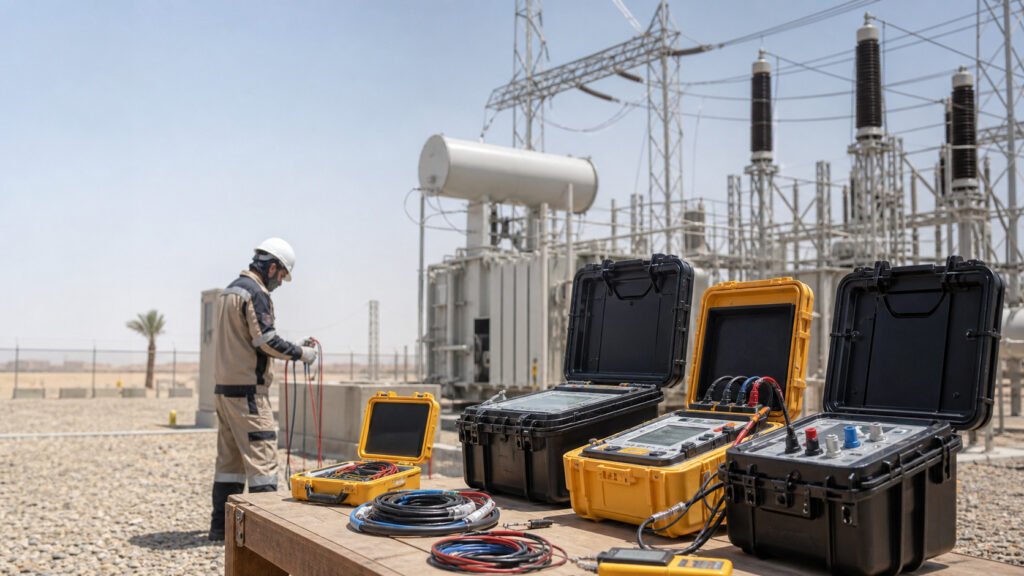
Electrical pre-commissioning verifies that installed equipment is ready for the next approved testing or energization stage. Commissioning verifies that the equipment and interconnected systems perform their intended functions. Commissioning includes activities before energization, during controlled energization, and under operating conditions.
Qu’est-ce qu’un testeur VLF Tan Delta et qu’en dit-il de l’isolation des câbles ?
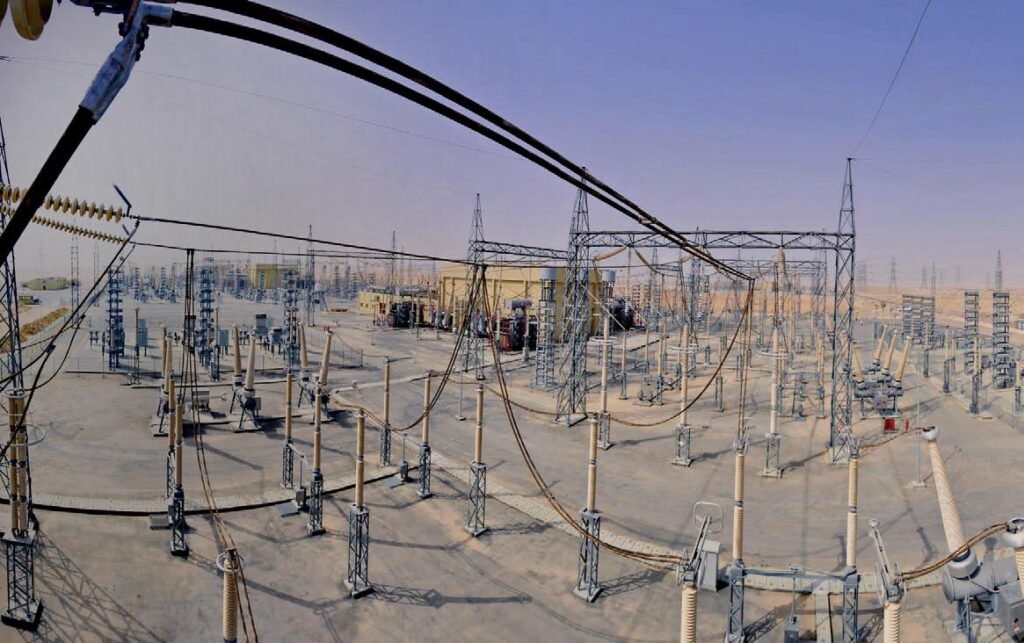
A VLF tan delta tester provides system-level dielectric-loss evidence. Use it to establish documented behavior, compare genuinely comparable records, and direct further investigation when the evidence warrants it. Before accepting a conclusion, verify the measurement boundary, the equipment’s supported conditions, and the interpretation basis. The most useful outcome is a justified next action for the identified circuit, with a clear statement of what the test has and has not established.
Quelles caractéristiques techniques déterminent les performances d’un testeur de hertz de faible fréquence (VLF)?
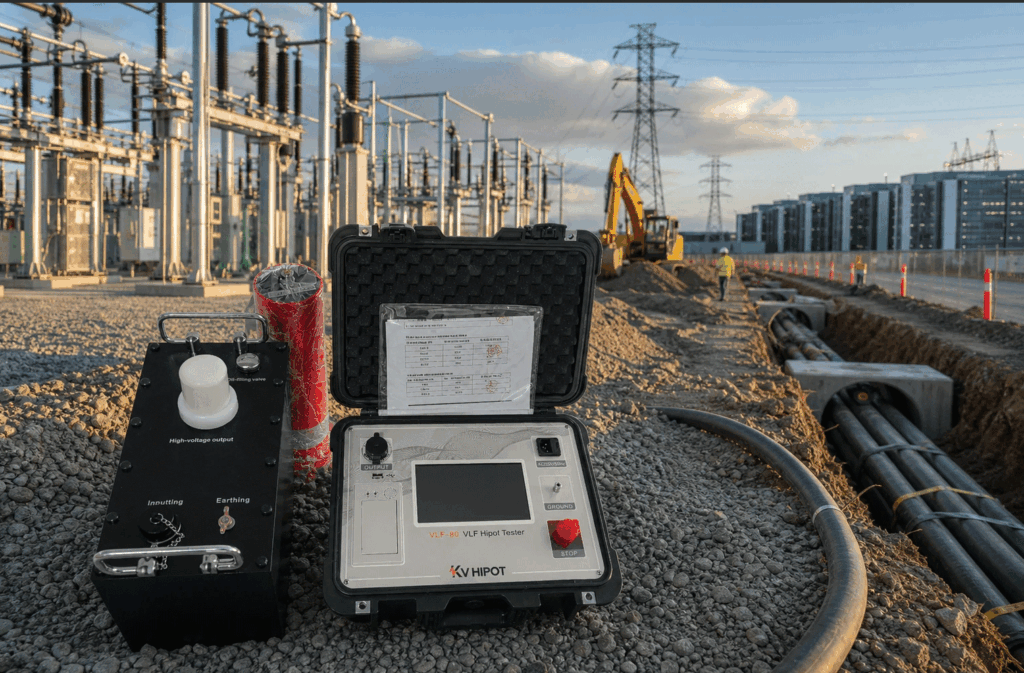
L’évaluation d’un testeur de capacité de décharge à très basse fréquence (VLF) nécessite de privilégier la capacité de charge capacitive continue (µF à 0,1 Hz) par rapport à la tension de test de court-circuit. Associez les niveaux de résistance requis selon la norme IEEE 400.2 à la pureté de la forme d’onde sinusoïdale, à une résolution de courant fine, à une adaptation automatique de la fréquence et à des systèmes de décharge sûrs. Avant d’acheter, vérifiez que les courbes de dégradations de charge du fabricant correspondent à vos circuits câblés les plus longs pour garantir des performances fiables sur le terrain.
Power-Frequency High-Voltage Tests: Key Principles, Equipment, Procedures, and Safety
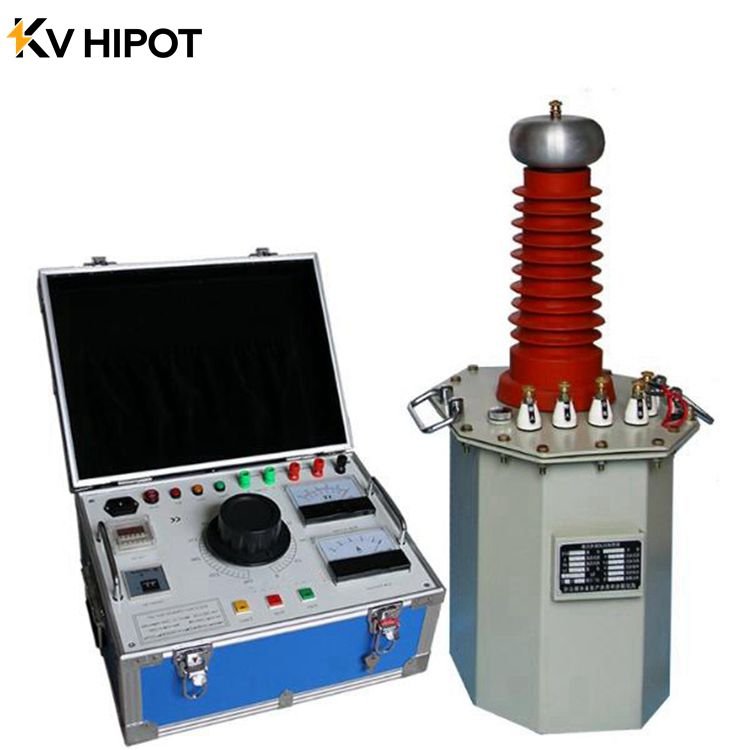
Power-frequency AC withstand voltage testing is the most effective and direct method for assessing the insulation condition of electrical equipment. It can determine whether the equipment can continue to operate and is also an important means of preventing insulation failures.
Troubleshooting Guide for 33kV Cable Hipot Test Voltage Drops?
Troubleshooting voltage drops during a 33kV cable hipot test requires a clear understanding of capacitive loads, proper grounding, and insulation behavior. By lowering your VLF frequency to manage capacitance, resolving ground loops, and recognizing the signs of partial discharge, you can maintain stable test voltages.
What Are the Key Technical Specifications of a Sweep Frequency Response Analyzer?
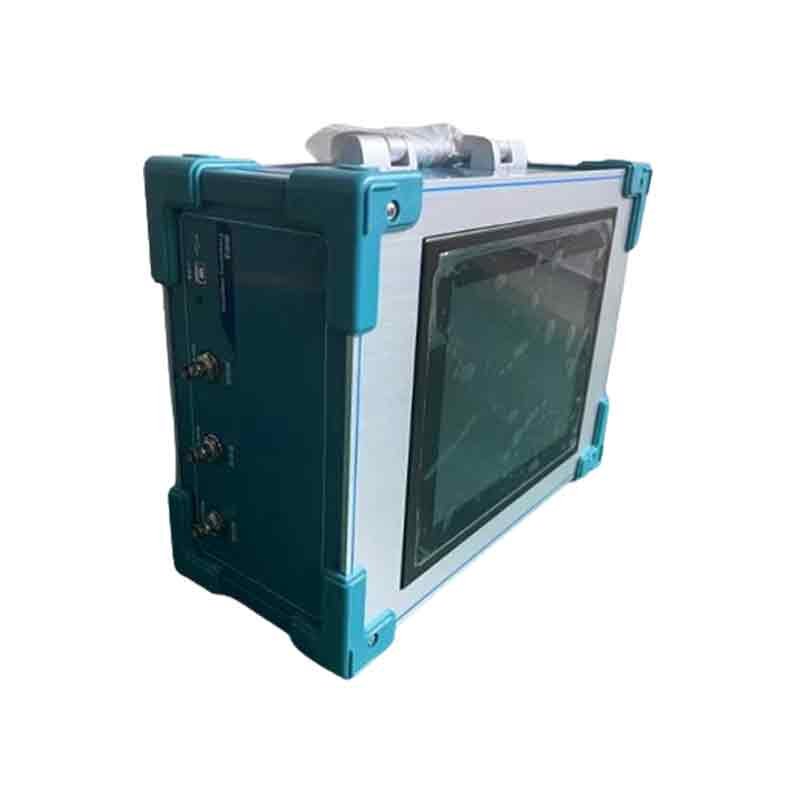
A suitable SFRA analyzer should provide adequate frequency coverage, measurement span, repeatable connections, controlled impedance, traceable output settings, and practical test time. For the KVRZ-S, the manual specifies 10 Hz–10 MHz linear sweep capability, a −120 dB to +20 dB amplitude range, 50 Ω output impedance, and less than 60 seconds per phase.
What Is Transformer Tan Delta?

Tan Delta, also known as dielectric dissipation factor, is a measure of the energy lost in an insulation system when AC voltage is applied.
What Is the BDV of Oil in a 33 kV Transformer?

An Oil BDV Tester provides a fast and valuable indication of an insulating liquid’s ability to withstand electrical stress under a defined test method. The reliability of that indication depends on much more than the maximum tester voltage.
What is the Hipot Test Voltage for 33kV Cable? A Complete VLF & DC Testing Guide?

Dealing with sudden cable failures after commissioning is a nightmare for power contractors. If you apply the wrong test voltage to a 33kV cable, you risk either masking hidden insulation defects or permanently damaging the extruded dielectric layers. Fortunately, understanding the correct voltage parameters and testing methods ensures your underground network runs safely. In this […]
VLF Cable Testing Applications by Industry
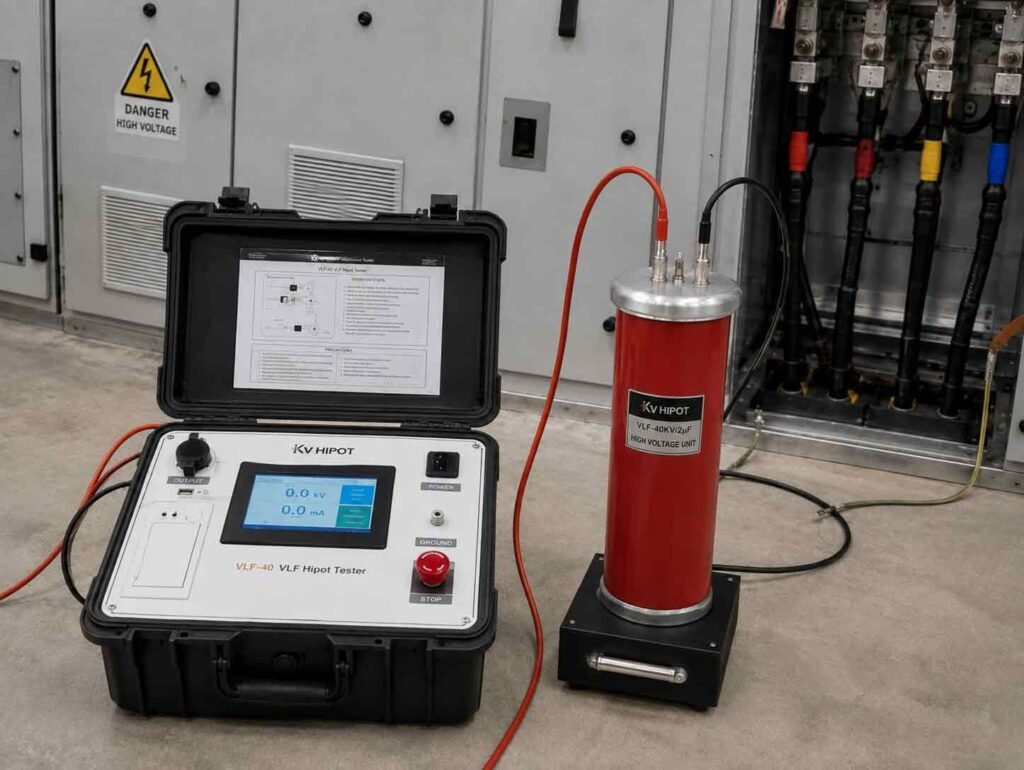
Utilities use planned VLF withstand or diagnostic work to support acceptance, maintenance prioritization, and investigation of shielded distribution circuits. Equipment selection and interpretation must also account for cable voltage, capacitance, waveform, condition, and the approved procedure.

 English
  ไทย
ไทย  Tiếng Việt
  العربية
  Русский
  Italiano
  Español
  한국어
한국어  Português do Brasil
  Français
  Español de México
  Português
  Türkçe
  Čeština
  Español de Argentina
  Slovenčina
  Dansk
Dansk  Polski
  Deutsch
  Ελληνικά
  O‘zbekcha
  Bahasa Indonesia
  Română