
How Do VLF Withstand, Tan Delta, Partial Discharge and Insulation Resistance Tests Differ?
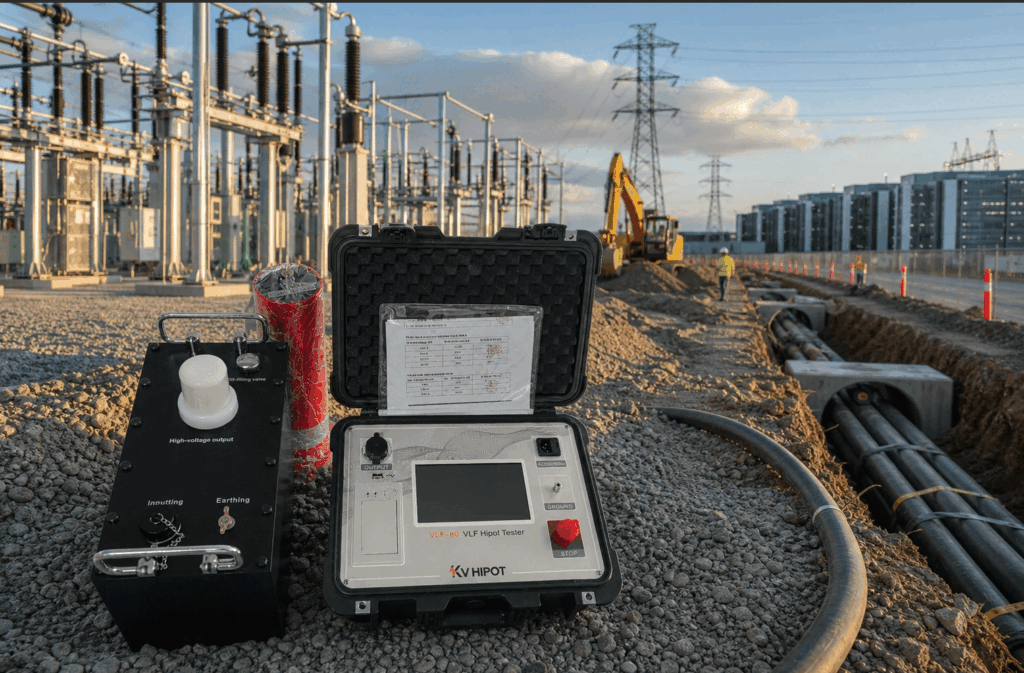
VLF withstand, tan delta, partial discharge and insulation resistance tests examine different aspects of a cable system. Withstand assesses survival of specified electrical stress; tan delta measures overall dielectric-loss behavior; PD examines detected localized discharge activity; insulation resistance evaluates a defined DC response. Select them for complementary questions. A favorable result from one method does not automatically replace another required measurement or cancel a valid concern from a different method.
What Does an Industrial Battery Discharger Actually Measure?
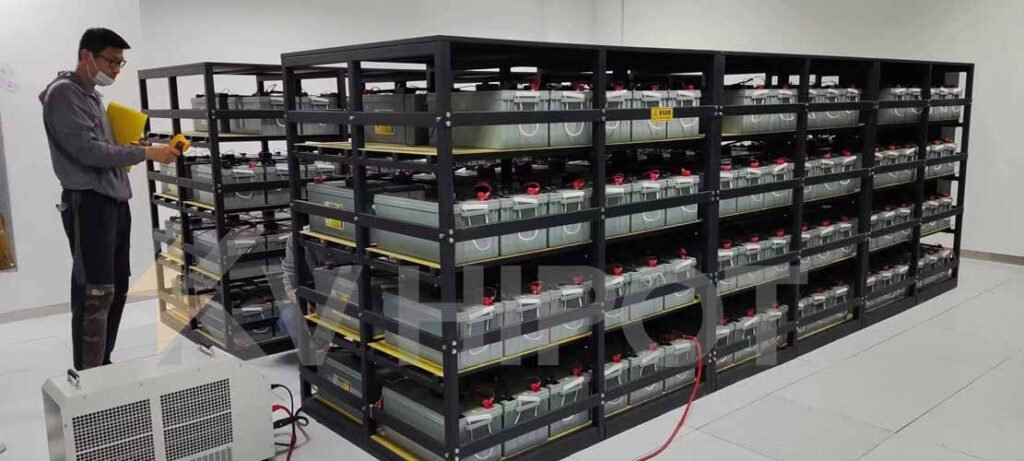
An industrial battery discharger applies a specified load and records current, voltage, time, and sometimes temperature and individual cell voltages. It measures delivered charge or energy to an agreed endpoint. Conductance and impedance tests provide condition indicators, but do not directly establish usable discharge capacity.
What Does an Industrial Battery Discharger Actually Measure?

An industrial battery discharger applies a specified load and records current, voltage, time, and sometimes temperature and individual cell voltages. It measures delivered charge or energy to an agreed endpoint. Conductance and impedance tests provide condition indicators, but do not directly establish usable discharge capacity.
Pre-Commissioning vs Commissioning: Electrical Tests, Acceptance Criteria, and Energization Readiness
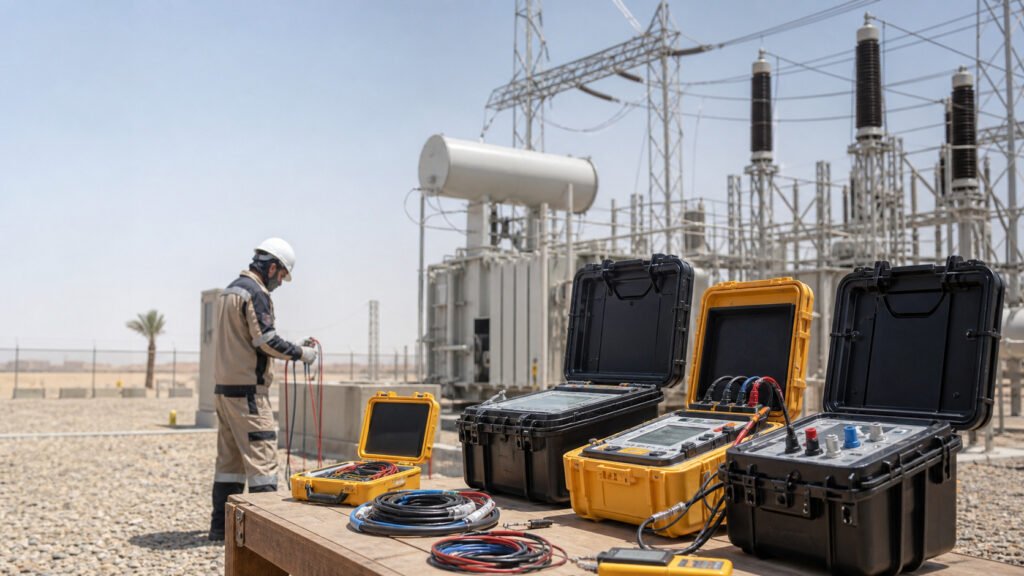
Electrical pre-commissioning verifies that installed equipment is ready for the next approved testing or energization stage. Commissioning verifies that the equipment and interconnected systems perform their intended functions. Commissioning includes activities before energization, during controlled energization, and under operating conditions.
What Is a VLF Tan Delta Tester, and What Can It Tell You About Cable Insulation?
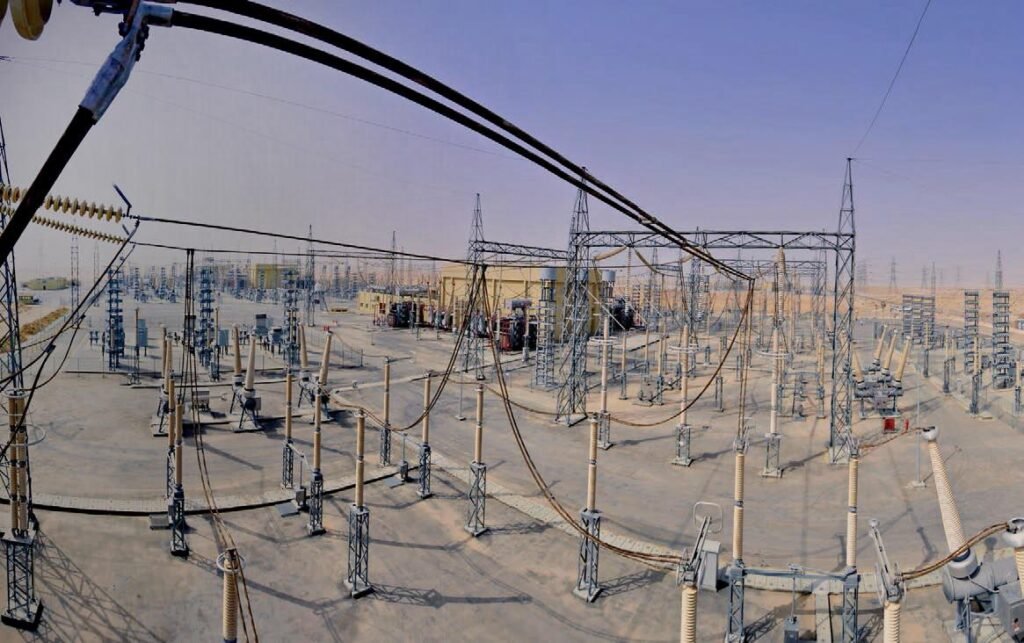
A VLF tan delta tester provides system-level dielectric-loss evidence. Use it to establish documented behavior, compare genuinely comparable records, and direct further investigation when the evidence warrants it. Before accepting a conclusion, verify the measurement boundary, the equipment’s supported conditions, and the interpretation basis. The most useful outcome is a justified next action for the identified circuit, with a clear statement of what the test has and has not established.
VLF 히포트 테스터의 성능을 결정하는 기술 사양은 무엇인가?
VLF hipot 테스터를 평가하기 위해서는 더 열린 회로 상태 테스트 전압보다 지속적인 용량성 부하 용량(0.1 Hz의 µF)을 우선시해야 합니다. 필수 IEEE 400.2 내성 수준을 순수 사인파 형태의 순도, 정밀 전류 분해능, 자동 주파수 적응 기능 및 고장 방지 방전 시스템으로 맞추십시오. 구매하기 전에 제조업체의 부하 감축 곡선을 가장 긴 설치된 케이블 회로와 비교하여 확인하여 안정적인 현장 성능을 보장하십시오.
Power-Frequency High-Voltage Tests: Key Principles, Equipment, Procedures, and Safety
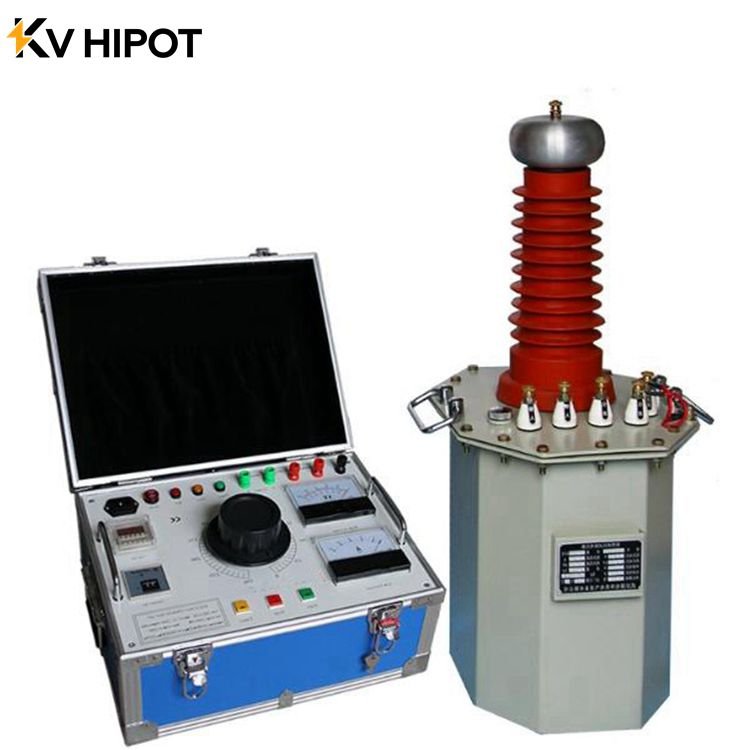
Power-frequency AC withstand voltage testing is the most effective and direct method for assessing the insulation condition of electrical equipment. It can determine whether the equipment can continue to operate and is also an important means of preventing insulation failures.
33kV 케이블 히포트 테스트 전압이 감소하는 문제 해결 가이드
33kV 케이블 히포트 테스트 중 발생하는 전압 저하 문제를 해결하기 위해서는 용량 부하, 적절한 접지, 그리고 절연체의 동작에 대한 명확한 이해가 필요합니다. 용량을 관리하기 위해 VLF 주파수를 낮추고 접지 루프를 해결하며 부분 방전의 신호를 파악함으로써 안정적인 테스트 전압을 유지할 수 있습니다.
What Are the Key Technical Specifications of a Sweep Frequency Response Analyzer?
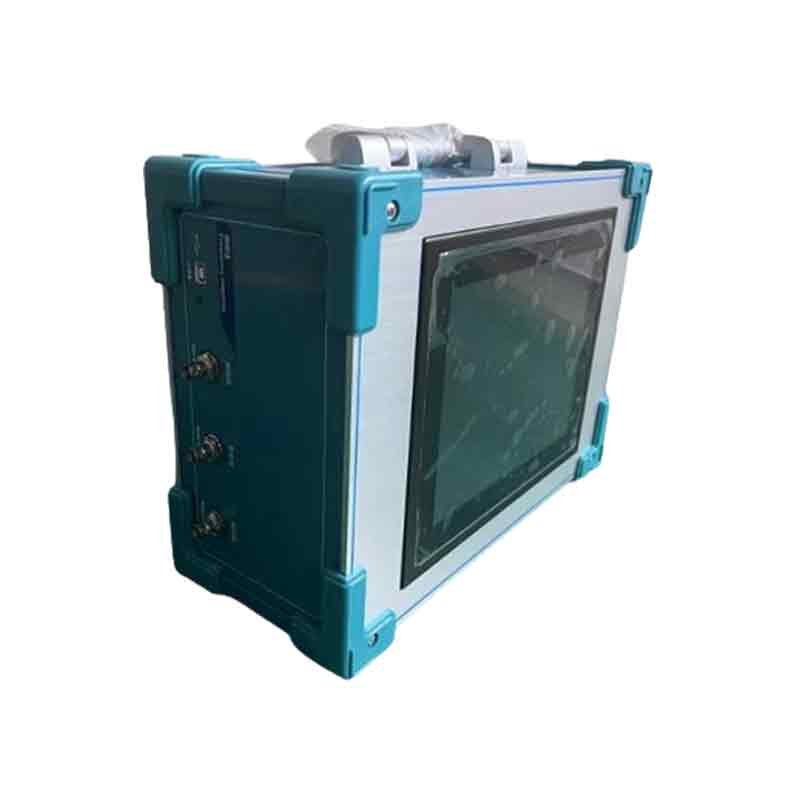
A suitable SFRA analyzer should provide adequate frequency coverage, measurement span, repeatable connections, controlled impedance, traceable output settings, and practical test time. For the KVRZ-S, the manual specifies 10 Hz–10 MHz linear sweep capability, a −120 dB to +20 dB amplitude range, 50 Ω output impedance, and less than 60 seconds per phase.
What Is Transformer Tan Delta?

Tan Delta, also known as dielectric dissipation factor, is a measure of the energy lost in an insulation system when AC voltage is applied.

 English
 ไทย
 Tiếng Việt
 العربية
 Русский
 Italiano
 Español
 한국어
 Português do Brasil
 Français
 Español de México
 Português
 Türkçe
 Čeština
 Español de Argentina
 Slovenčina
 Dansk
 Polski
 Deutsch
 Ελληνικά
 O‘zbekcha
 Bahasa Indonesia
 Română