

Power outages are a nightmare. If your backup batteries fail when you need them most, operations stop. You need a way to ensure they work before the lights go out. Battery test equipment refers to a range of diagnostic tools designed to measure the health, capacity, and performance of battery systems. These devices, including load banks and internal resistance testers, identify weak cells and ensure backup power systems like UPS and substation batteries function correctly during emergencies. Testing batteries is often overlooked until it is too late. Many people assume that if the charging light is on, the battery is fine.
In my experience at KV HIPOT, this is a dangerous assumption. Batteries are chemical devices, and they degrade over time due to heat, age, and usage patterns. Proper testing equipment removes the guesswork. It gives you hard data on the actual condition of your power reserve, allowing you to replace bad cells before they compromise the entire string.
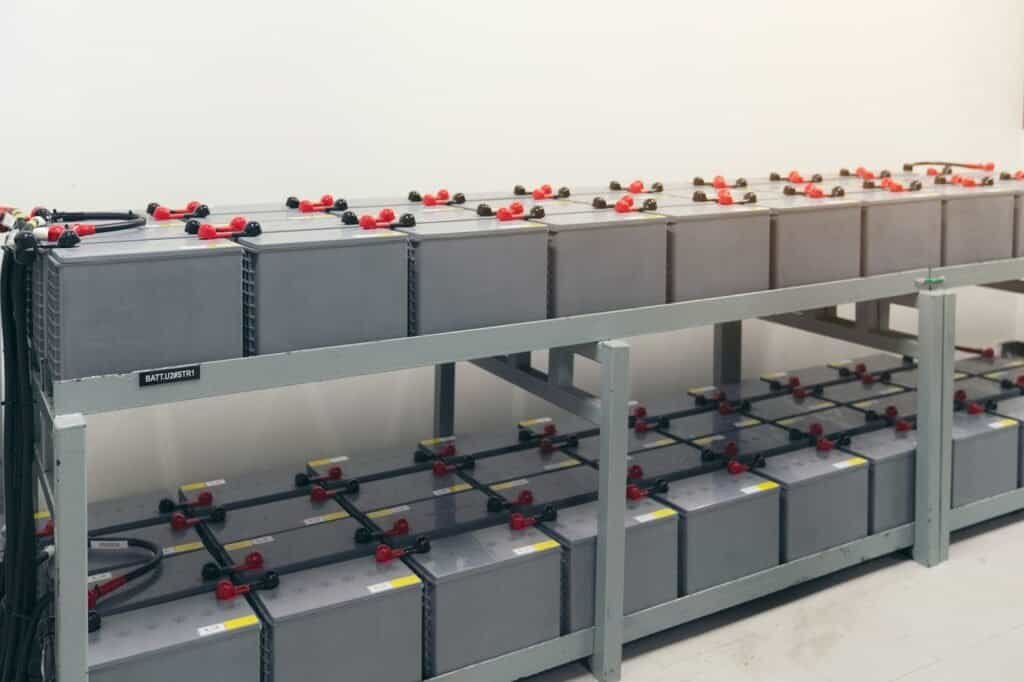
What is the primary function of battery test equipment?
Relying on old batteries without testing is a gamble. You cannot see the chemical degradation inside just by looking at the case, and a simple voltage check is often misleading. The primary function of this equipment is to verify the actual capacity and health of a battery bank. It detects aging, sulphation, and connection issues that standard voltage checks miss, helping you predict failure and plan maintenance before a critical power loss occurs. To understand why we need specialized equipment, we must look at what can go wrong inside a battery.
A battery might show a perfect float voltage of 13.5V, but internally, its plates could be corroded, or the electrolyte could be dried out. When you try to draw a heavy current during a blackout, the voltage of that “good” battery will collapse instantly. This is why simple multimeters are not enough.
Professional battery test equipment looks past the surface voltage. We divide these tools into two main categories: capacity testers (load banks) and health monitors (impedance/resistance testers). Capacity testers determine exactly how much energy the battery can hold. Health monitors give you a quick snapshot of the internal condition. At our factory, we design these tools to help maintenance teams in power plants and data centers transition from “reactive repairs” (fixing it after it breaks) to “predictive maintenance” (fixing it before it breaks).
| Equipment Category | Primary Function | Typical Use Case |
|---|---|---|
| AC/DC Load Banks | Performs a deep discharge to measure total capacity (Amp-hours). | Commissioning new systems or yearly validation tests. |
| Internal Resistance Tester | Measures the internal health without discharging the battery. | Monthly or quarterly quick inspections. |
| Battery Monitoring Systems (BMS) | Continuously watches voltage, current, and temperature 24/7. | Critical data centers and remote substations. |
| Battery Charger/Discharger | Cycles the battery to restore capacity (activation). | Rejuvenating older lead-acid batteries that have sulfated. |
Why is a battery discharge test necessary?
A battery might show full voltage but die in minutes under load. This “surface charge” can deceive you and leave critical systems unprotected when the main power fails. A discharge test is the only way to measure the true capacity of a battery. By applying a real load, it simulates an outage scenario to see exactly how long the battery can support your equipment, providing the most accurate health assessment possible. Think of a battery like a fuel tank.
A voltage reading is like a fuel gauge that is stuck on “Full.” It doesn’t tell you if the tank is actually full of fuel or if it has shrunk in size. The only way to know for sure is to drive the car and see how far you get. That is what a discharge test does. It drains the battery at a controlled rate to see how much energy is actually inside.
In the industry, we call this the “Gold Standard” of testing. While other methods are faster, nothing beats a load test for accuracy. If a battery is rated for 100 Amp-hours, but the discharge test shows it only delivers 50 Amp-hours, you know it has reached the end of its useful life. This test is crucial for sectors like telecommunications and railways where reliability is non-negotiable. However, discharge tests take time and require the battery to be taken offline. This is why we recommend scheduling them during planned shutdowns or maintenance windows.
| Test Aspect | Voltage Measurement | Discharge Test (Load Test) |
|---|---|---|
| What it measures | Electrical potential difference. | Actual energy storage capacity (Ah). |
| ความแม่นยำ | Low (can be misled by surface charge). | High (measures real-world performance). |
| Time Required | Seconds per cell. | Hours (depends on battery size). |
| Stress on Battery | None. | Moderate to High (cycles the battery). |
| Outcome | Indicates charge status (charged/discharged). | Indicates state of health (good/bad). |
How does a battery load bank work?
Testing large battery banks manually is dangerous and inaccurate. You need a controlled way to draw energy safely to measure performance without damaging the system or hurting the technician.
A battery load bank connects to the battery system and draws a precise, constant current. It dissipates the energy as heat through internal resistors while monitoring the voltage drop over time to calculate the exact amp-hour capacity of the entire string. A load bank is essentially a sophisticated heater with a brain. Inside the metal box, there are heavy-duty alloy resistors designed to get hot.

When you connect it to your battery bank, the intelligent control unit adjusts the resistance to ensure the current stays exactly where you set it, regardless of the dropping battery voltage. For example, if you need to test a 110V substation battery at 50 Amps for 3 hours, the load bank manages this automatically. Modern load banks, like the ones we produce, are much safer than old makeshift methods like using light bulbs or water resistors.
They have safety shut-offs. If a cell gets too hot, or if the voltage drops below a safe limit, the machine stops automatically to prevent damaging the battery. They also record data. Instead of writing down numbers every 15 minutes, the machine logs the voltage curve. This data is vital for proving to safety inspectors that your backup system meets international standards like IEEE 450 or IEEE 1188.
| คุณสมบัติ | ฟังก์ชัน | Benefit to User |
|---|---|---|
| Constant Current Mode | Keeps discharge amps steady even as voltage drops. | Ensures accurate capacity calculation and meets test standards. |
| Wireless Cell Monitoring | Tracks voltage of every single cell during the test. | Identifies exactly which specific battery jar is the weak link. |
| Thermal Protection | Monitors internal temperature of the load bank. | Prevents overheating and fire hazards during long tests. |
| Data Logging | Saves voltage curves and test results to memory. | Generates professional reports for clients or compliance audits. |
What is the difference between internal resistance and conductance testing?
Discharge tests take hours and require taking the system offline. Sometimes you need a quick health check to screen hundreds of cells without interrupting the power supply. These are rapid, non-invasive tests used for trending. Internal resistance measures the opposition to current flow (higher is bad), while conductance measures the ability to conduct current (lower is bad). Both indicate the State of Health (SoH) without draining the battery. These handheld testers are the most common tools in a maintenance technician’s bag. They work by injecting a small AC signal into the battery and measuring the response.
As a battery ages, its internal plates corrode and the electrolyte dries out. This causes the internal resistance (impedance) to rise. A new battery might have 5 milliohms of resistance, while an old, failing one might have 15 milliohms. The key here is “trending.” A single reading isn’t always helpful because every battery model is different. The value comes from comparing the reading to the baseline value when the battery was new, or comparing it to the average of other batteries in the same string. If you have a string of 20 batteries and 19 of them measure 5 milliohms, but one measures 10 milliohms, you have found a bad apple. You can replace just that one unit. This saves my clients a lot of money compared to replacing the whole bank blindly.
| Method | What is Measured | Good Result | Bad Result |
|---|---|---|---|
| Internal Resistance | Opposition to current flow inside the cell. | Low Resistance. | High Resistance (indicates corrosion/drying). |
| Conductance | Ability of the cell to conduct current. | High Conductance. | Low Conductance (indicates loss of plate surface area). |
| Speed | 3-5 seconds per cell. | Fast maintenance. | N/A |
| Primary Use | Monthly/Quarterly screening. | Spotting outliers. | Identifying aging before total failure. |
How do I choose the right battery tester for my industry?
Buying the wrong tester is a waste of budget. A tester designed for a small UPS in an office won’t work for a massive utility substation bank with high voltage. Choose based on your battery total voltage, capacity (Ah), and type (Lead-Acid, Ni-Cd, Lithium). Consider whether you need portable handheld units for quick checks or heavy-duty load banks for deep discharge commissioning tests based on your specific maintenance protocols.
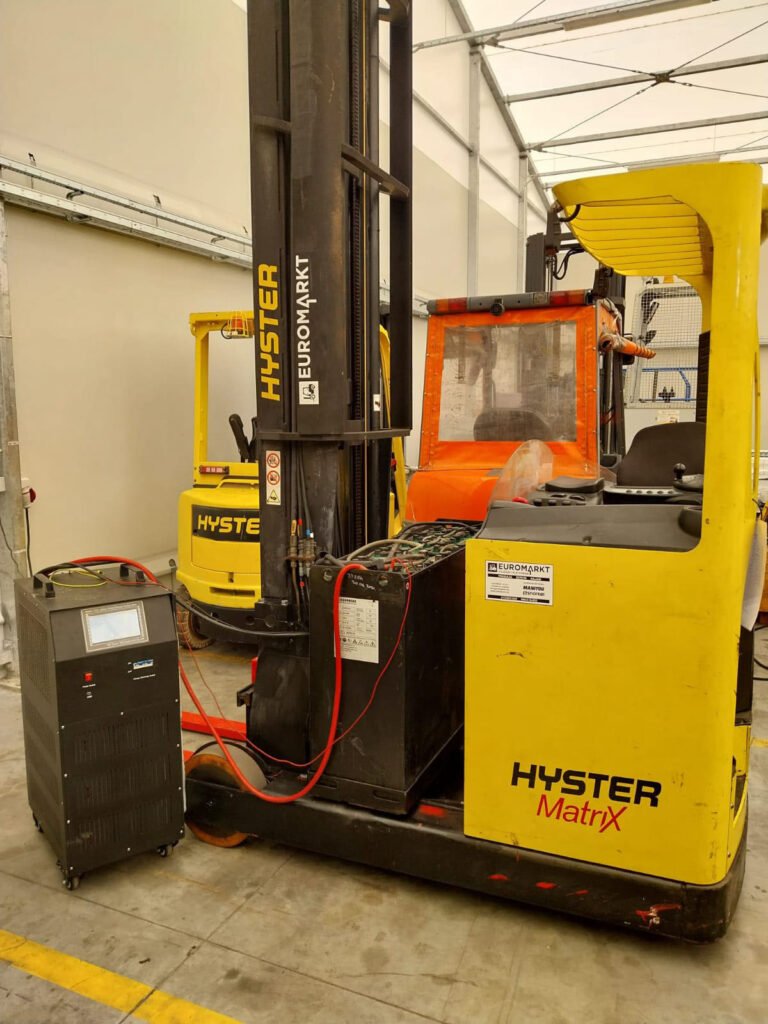
When clients ask me for a quote, the first thing I ask is: “What are you testing?” The specifications of the battery define the equipment you need. You cannot use a 48V telecom load bank to test a 220V power plant battery string. The voltage mismatch would damage the equipment. Similarly, you need to look at the discharge current. If you have a massive 3000Ah battery bank, a small 50A tester will take days to discharge it. You would need a larger unit capable of hundreds of amps. You also need to consider the chemistry. Lead-acid batteries act differently than Lithium-ion or Nickel-Cadmium batteries.
While many load banks are universal (since they just draw current), the monitoring thresholds and safety cut-off points are different. For handheld testers, ensuring the device has the correct reference library for your battery type is essential. Finally, consider portability. If your batteries are in remote cell towers, you don’t want a 50kg load bank on wheels. You want a lightweight, handheld solution. At KVHIPOT, we often customize the voltage and current ranges to fit the specific needs of the customer’s site.
| Selection Factor | Consideration | Why it Matters |
|---|---|---|
| String Voltage | 24V, 48V, 110V, 220V, or higher. | The tester must be rated for the total voltage of the battery bank. |
| Discharge Current | Amps required to discharge in 3-5 hours. | Too low current means the test takes too long; too high adds cost. |
| Battery Chemistry | Lead-Acid, VRLA, Ni-Cd, Li-Ion. | Different chemistries have different discharge curves and safety limits. |
| Portability | Handheld vs. Wheels/Case. | Critical for technicians visiting multiple remote sites. |
บทสรุป
Battery test equipment is the insurance policy for your backup power. Whether you use a quick handheld tester for monthly checks or a load bank for annual verification, regular testing ensures your systems stay online when the grid goes down.

 English
  ไทย
ไทย  Tiếng Việt
  العربية
  Русский
  Italiano
  Español
  한국어
한국어  Português do Brasil
  Français
  Español de México
  Português
  Türkçe
  Čeština
  Español de Argentina
  Slovenčina
  Dansk
Dansk  Polski
  Deutsch
  Ελληνικά
  O‘zbekcha
  Bahasa Indonesia
  Română