
What is the dielectric test of a transformer?
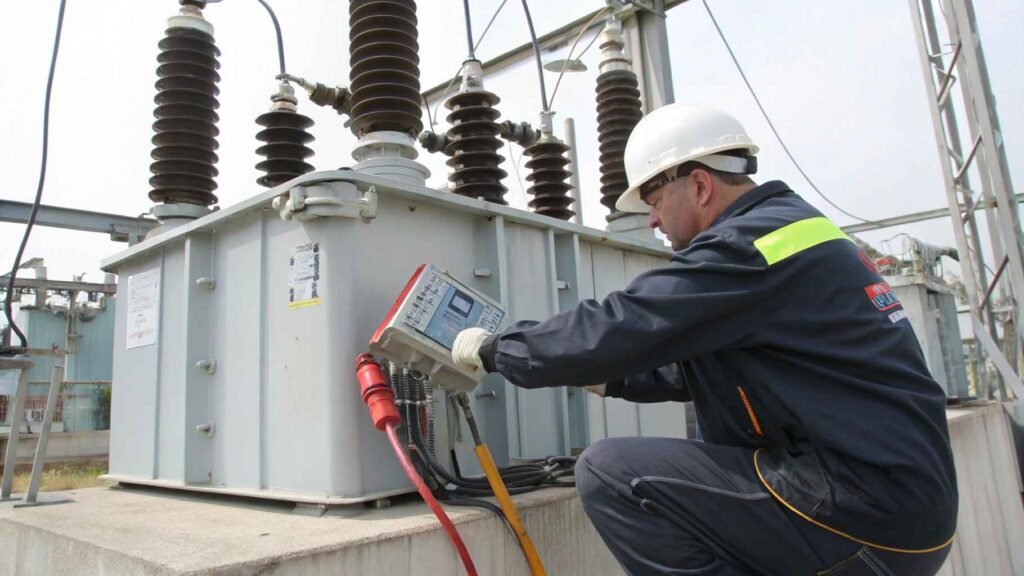
Dielectric tests are vital for transformer reliability. Tests like Separate Source, Induced Voltage, and Partial Discharge measurement verify insulation strength, ensuring safe operation and preventing costly failures.
How Do You Practically Test Insulating Oil Breakdown Voltage (BDV) Following IEC 60156

Are you unsure about your transformer oil’s health? Worried about sudden failures and costly downtime? Regular Breakdown Voltage (BDV)[^1] testing using an insulation oil tester gives you crucial insights. BDV testing measures the voltage where insulating oil electrically fails. Following IEC 60156[^2] involves applying increasing voltage across electrodes in an oil sample until an arc […]
Cable withstand voltage test choose VLF Tester or DC Hipot Tester?
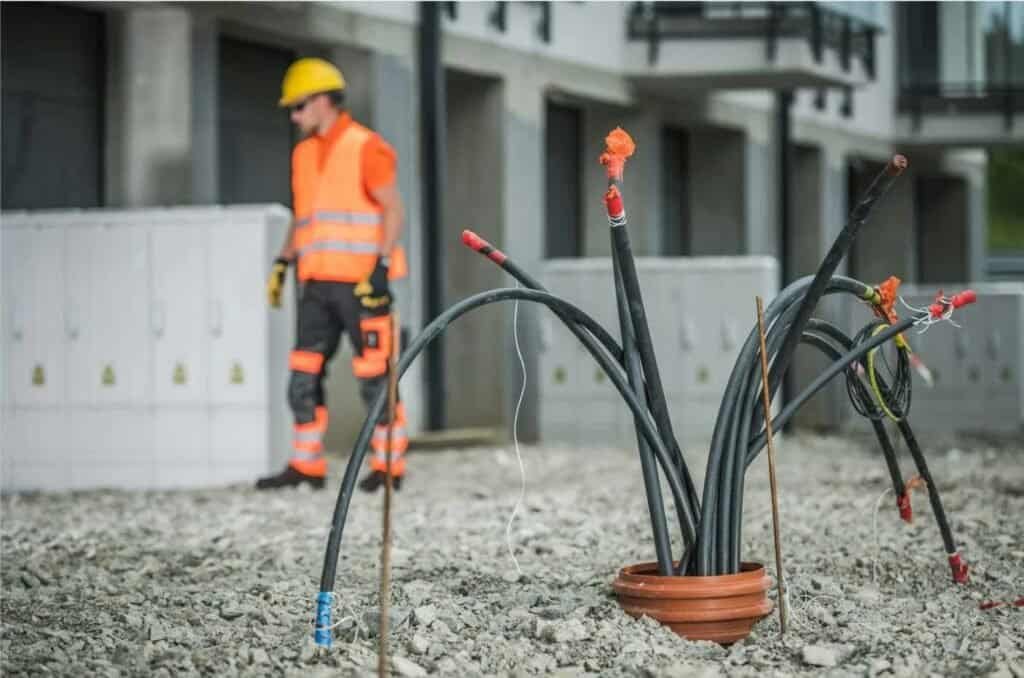
VLF testing uses very low frequency AC voltage and is the preferred, safer method for testing modern cables like XLPE. DC Hipot testing uses direct current and can damage these cables.
How does discharge rate affect battery capacity?
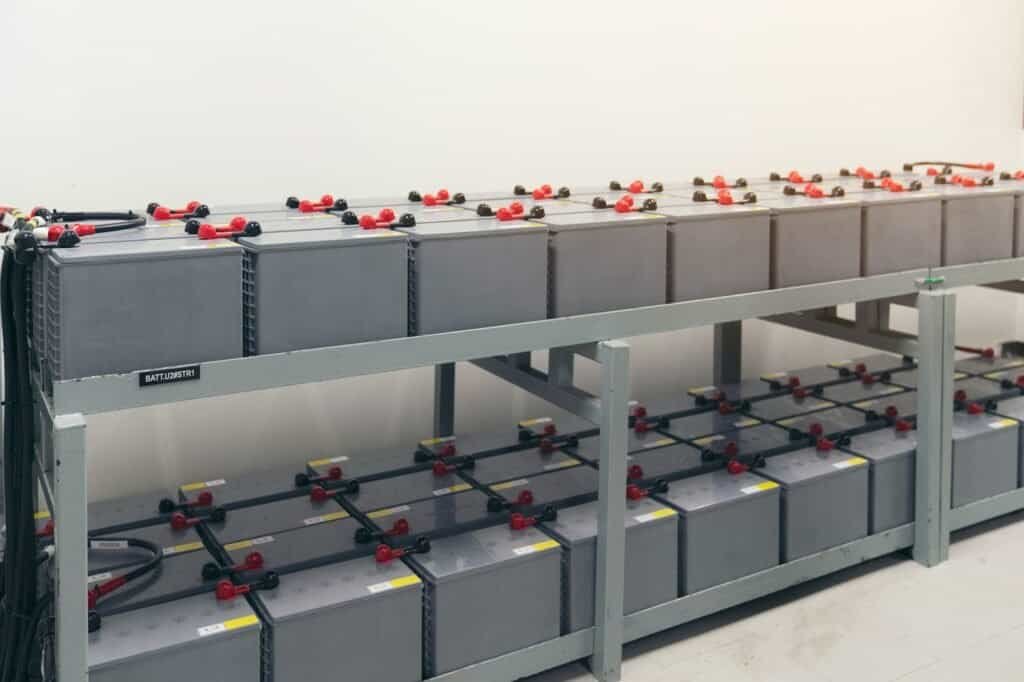
Tired of batteries underperforming or failing unexpectedly? This costs you time and money when critical systems don’t last as long as planned. Understanding the discharge rate[^1]’s impact is vital. Discharging a battery at a higher rate generally reduces its available capacity compared to a slower discharge. This happens because faster discharging increases internal losses like […]
10kV Tan Delta Test VS Oil Tan Delta Test: Which Method Is More Effective?
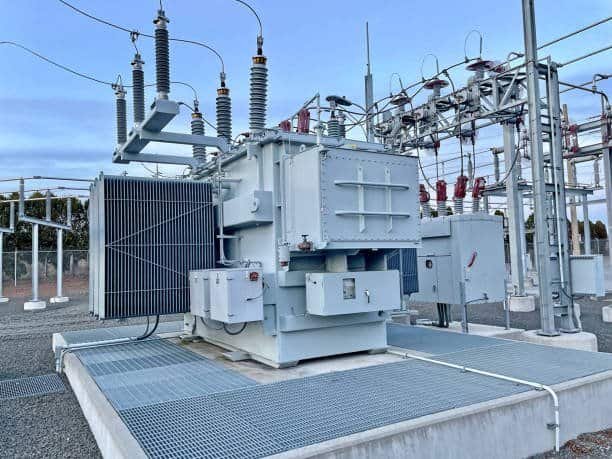
10kV dielectric loss testing and oil dielectric loss testing are critical insulation assessments in power systems. The 10kV dielectric loss test provides a comprehensive evaluation of the transformer’s insulation system, considering the performance of the entire insulation structure, including winding insulation, core insulation, and insulating oils under actual operating voltage.
How to test the insulation resistance of cable ?
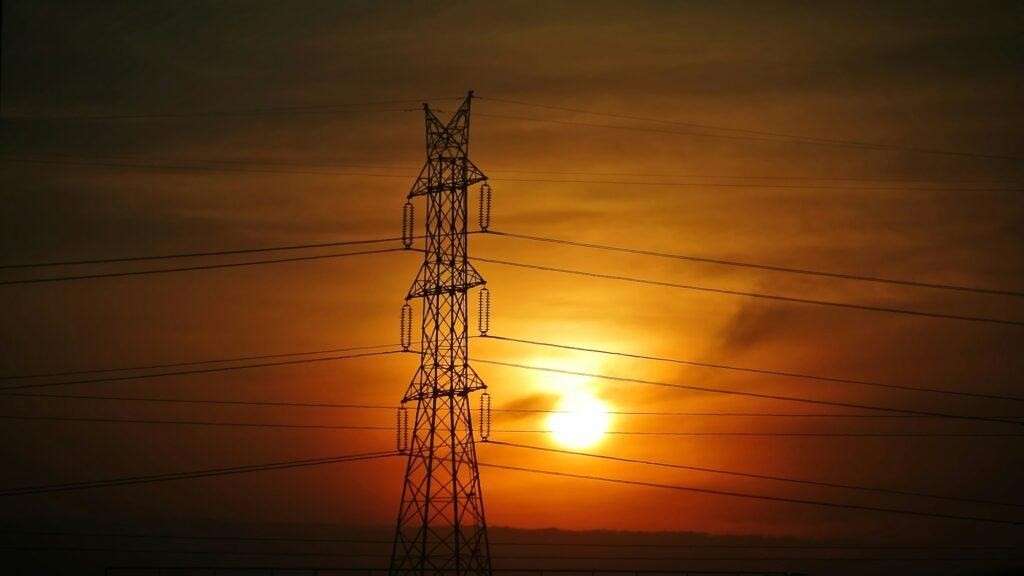
To meet the operational demands of the power system, we must prioritize insulation performance and conduct insulation tests. Before use or upon finalizing a product design, standard testing methods must be employed to ensure that the insulation properties of wires and cables meet design and usage requirements.
How to test Hight Voltage Circuit Breaker ?
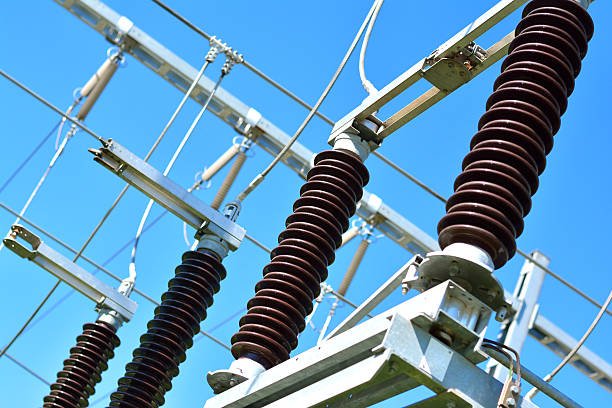
Through the acceptance test for electrical testing of High voltage circuit breaker, the performance indexes of the equipment can be comprehensively tested, potential defects and hidden dangers can be found in time to ensure that the equipment can work stably and reliably for a long time after it is put into operation.
What Are the Best Voltage Withstand Test Methods for Power Cables?

This article mainly discusses the test methods of oil-impregnated paper-insulated cables, plastic-insulated cables and cross-linked polyethylene cables, and the common electrical tests include DC withstand voltage and leakage current tests, VLF withstand voltage tests, Power frequency AC resonance withstand voltage testing , partial discharge tests and so on.
Qual è la tensione di resistenza alla frequenza nominale?
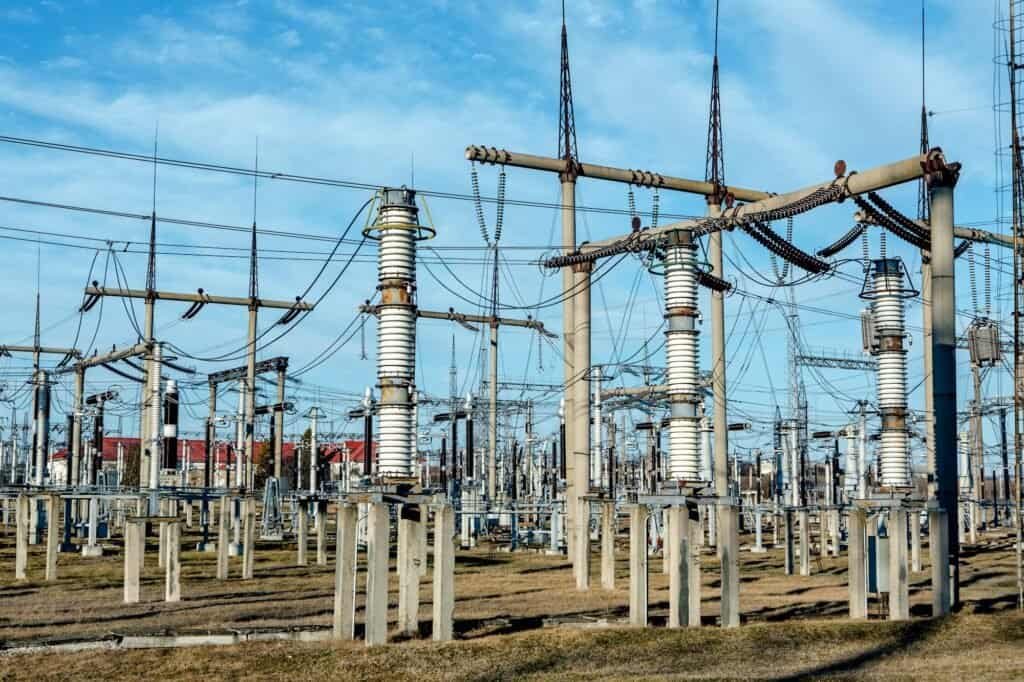
La tensione di resistenza alla frequenza nominale è la massima tensione che l'apparecchiatura elettrica o il suo sistema di isolamento possono gestire in sicurezza durante il funzionamento normale alla frequenza nominale (ad esempio 50 Hz o 60 Hz). Sotto questa tensione, l'apparecchiatura può funzionare normalmente senza subire rotture dell'isolamento o altri guasti.
What is the difference between transformer “Type testing”and “Factory acceptance testing”(FAT)?

we will analyze the differences between transformer type testing and transformer factory acceptance testing in terms of standard basis, test items, parameter requirements, and criteria for passing judgment. This analysis aims to provide valuable references and guidelines for the design, manufacture, acceptance, operation, and maintenance of transformers.

 English
 ไทย
 Tiếng Việt
 العربية
 Русский
 Italiano
 Español
 한국어
 Português do Brasil
 Français
 Español de México
 Português
 Türkçe
 Čeština
 Español de Argentina
 Slovenčina
 Dansk
 Polski
 Deutsch
 Ελληνικά
 O‘zbekcha
 Bahasa Indonesia
 Română