
10kV Tan Delta Test VS Oil Tan Delta Test: Which Method Is More Effective?
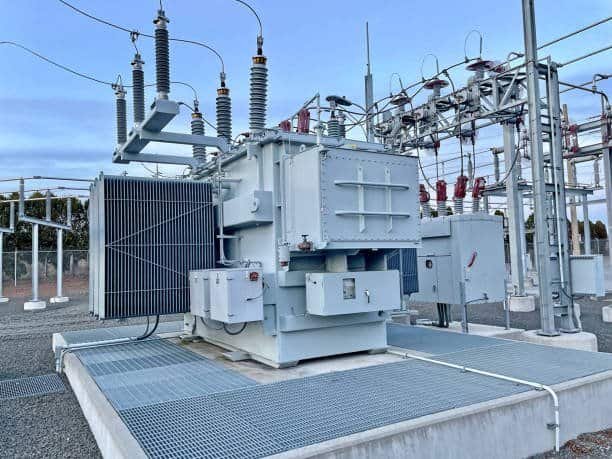
10kV dielectric loss testing and oil dielectric loss testing are critical insulation assessments in power systems. The 10kV dielectric loss test provides a comprehensive evaluation of the transformer’s insulation system, considering the performance of the entire insulation structure, including winding insulation, core insulation, and insulating oils under actual operating voltage.
How to test the insulation resistance of cable ?
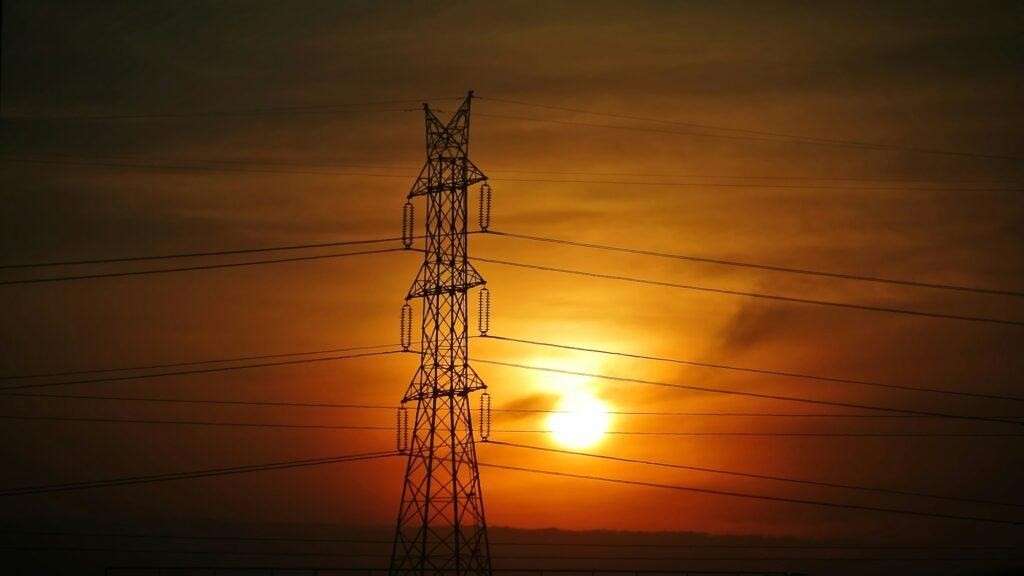
To meet the operational demands of the power system, we must prioritize insulation performance and conduct insulation tests. Before use or upon finalizing a product design, standard testing methods must be employed to ensure that the insulation properties of wires and cables meet design and usage requirements.
How to test Hight Voltage Circuit Breaker ?
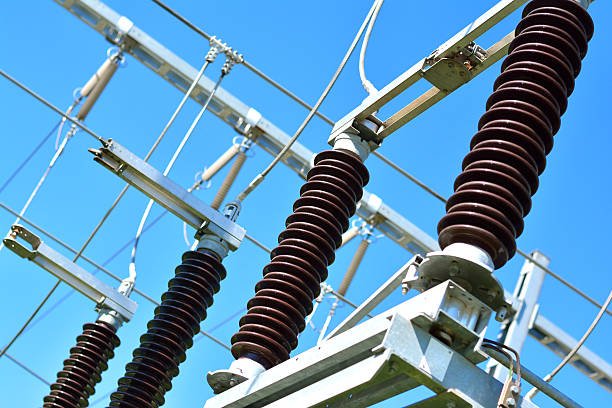
Through the acceptance test for electrical testing of High voltage circuit breaker, the performance indexes of the equipment can be comprehensively tested, potential defects and hidden dangers can be found in time to ensure that the equipment can work stably and reliably for a long time after it is put into operation.
Quais são os melhores métodos de teste de resistência a tensão para cabos de energia?

Este artigo aborda principalmente os métodos de ensaio para cabos isolados com papel impregnado com óleo, cabos isolados com plástico e cabos de polietileno reticulado, e os testes elétricos comuns incluem testes de tensão de resistência e corrente de fuga em DC, testes de tensão de resistência em VLF, testes de tensão de resistência em frequência AC de potência, testes de descarga parcial e assim por diante.
What is rated power frequency withstand voltage?
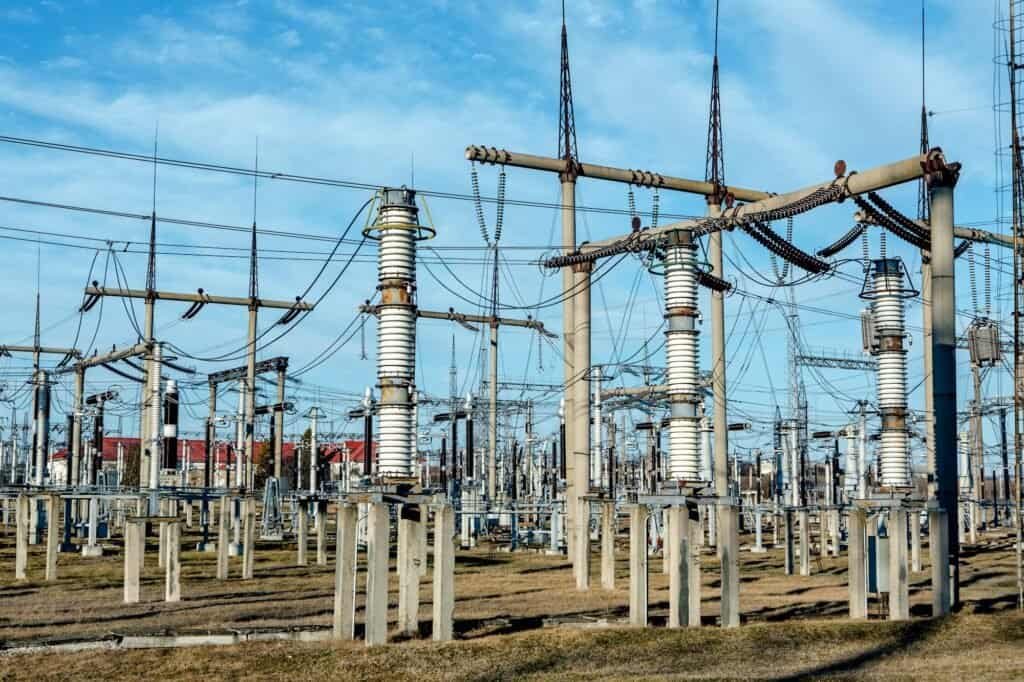
Rated frequency withstand voltage is the maximum voltage that electrical equipment or its insulation system can safely handle during normal operation at the rated frequency (such as 50Hz or 60Hz). Under this voltage, the equipment can operate normally without experiencing insulation breakdown or other failures.
What is the difference between transformer “Type testing”and “Factory acceptance testing”(FAT)?

we will analyze the differences between transformer type testing and transformer factory acceptance testing in terms of standard basis, test items, parameter requirements, and criteria for passing judgment. This analysis aims to provide valuable references and guidelines for the design, manufacture, acceptance, operation, and maintenance of transformers.
O que é o descarregador de baterias?
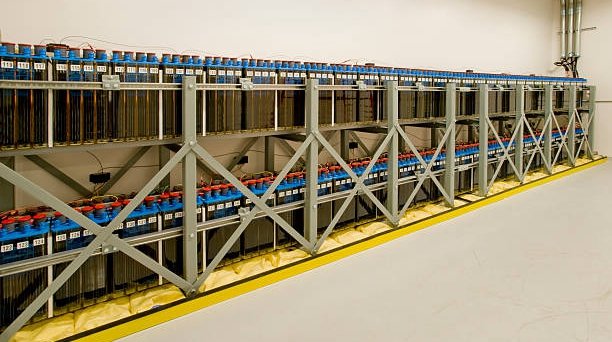
O descarregador de baterias é um equipamento avançado concebido para cumprir duas tarefas essenciais: carregar a bateria até à sua capacidade máxima e descarregá-la para medir o desempenho, a capacidade e outros parâmetros importantes. Estes sistemas são comumente utilizados para testar e manter baterias em diversas aplicações, garantindo a sua operação ideal e a sua durabilidade.
How Battery Test Equipment Supports the Power Systems
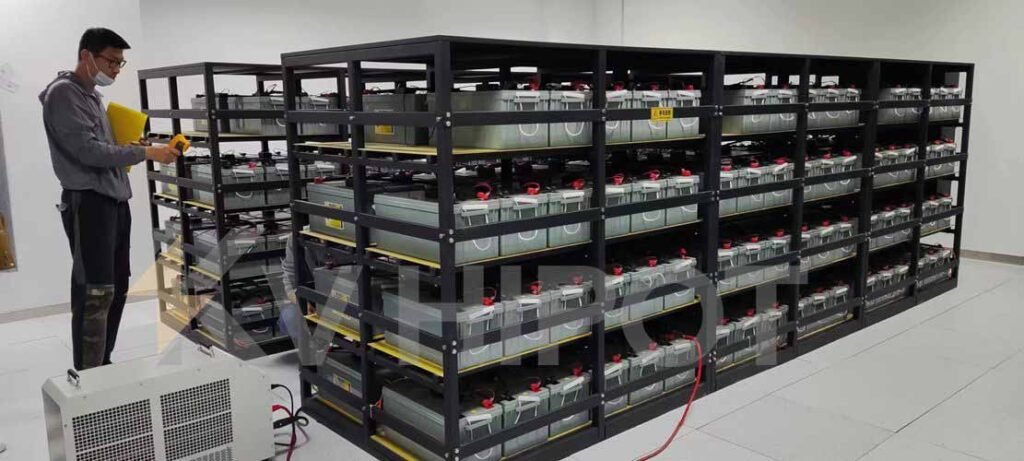
Battery test equipment is essential for maintaining the reliability and performance of batteries in backup power systems. These tools play a crucial role in ensuring that batteries function as expected during critical moments and remain in optimal condition throughout their lifecycle.
Teste de BDV do óleo do transformador
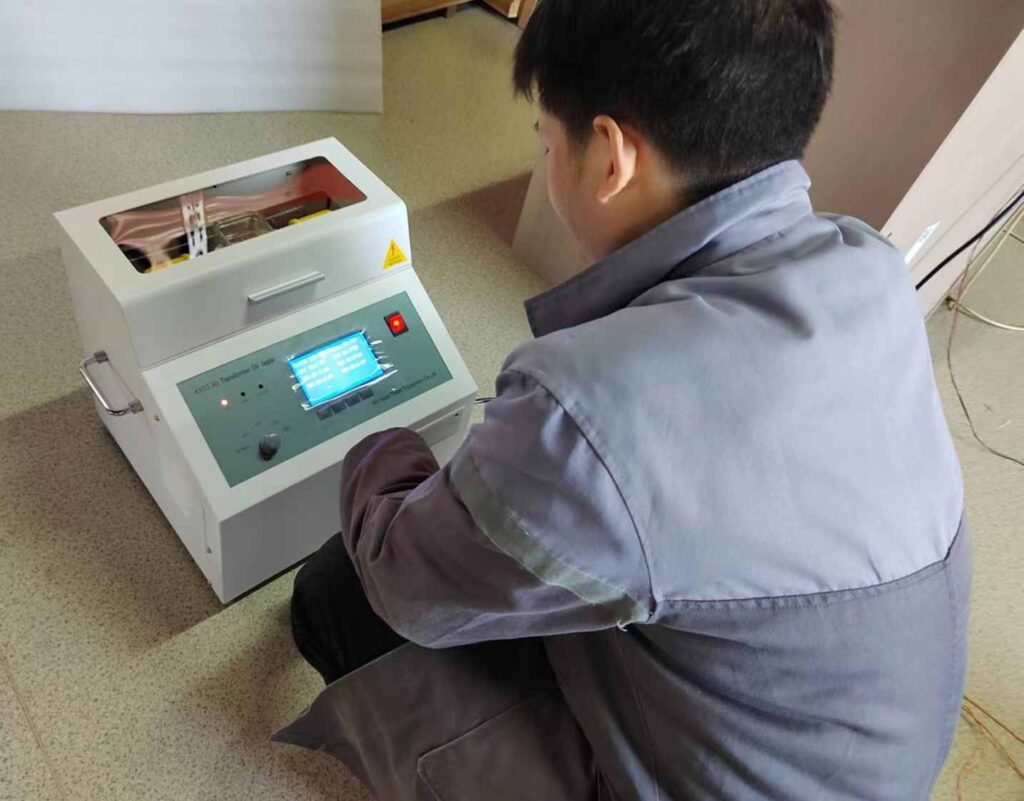
A prova de resistência dielétrica do óleo de isolação de transformadores é uma avaliação de desempenho elétrica definida como a medição da tensão máxima que o óleo pode suportar entre dois elétrodos em condições de teste especificadas antes que ocorra a ruptura elétrica.
Why test high voltage circuit breakers?
Regular preventive testing of high-voltage circuit breakers, including insulation resistance, dielectric loss factor, contact resistance, AC withstand voltage, vacuum level, mechanical characteristics, primary current injection, SF6 gas quality, and insulating oil tests, is essential to ensure their safety, reliability, and operational integrity, preventing faults that could compromise the power system.

 English
 ไทย
 Tiếng Việt
 العربية
 Русский
 Italiano
 Español
 한국어
 Português do Brasil
 Français
 Español de México
 Português
 Türkçe
 Čeština
 Español de Argentina
 Slovenčina
 Dansk
 Polski
 Deutsch
 Ελληνικά
 O‘zbekcha
 Bahasa Indonesia
 Română