
What is the IEEE standard for transformer insulation testing?
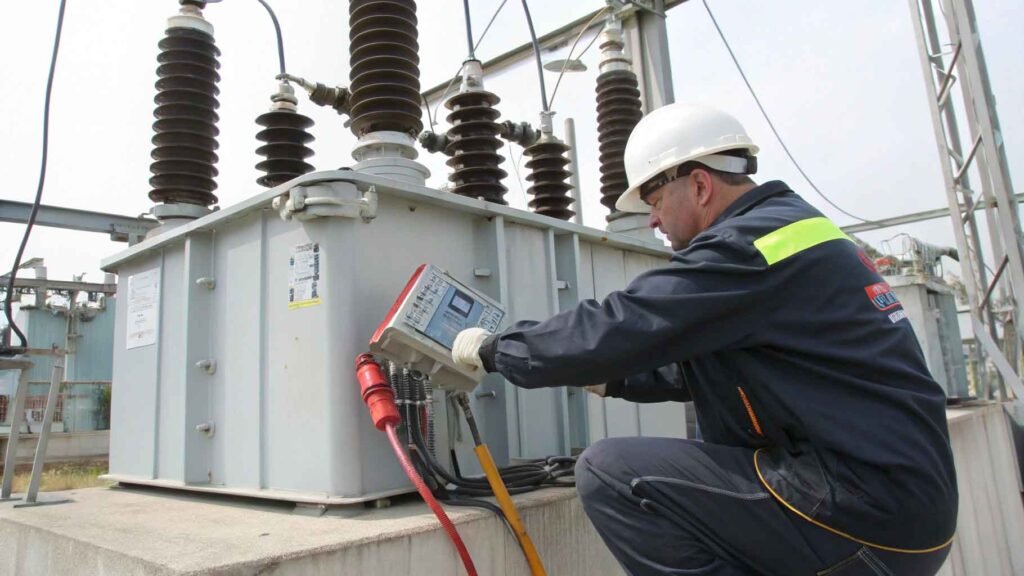
Selecting the right parameters for a Transformer Megger Test is not a guessing game; it is a science based on standards and physics.
What is battery test equipment and why do you need it?
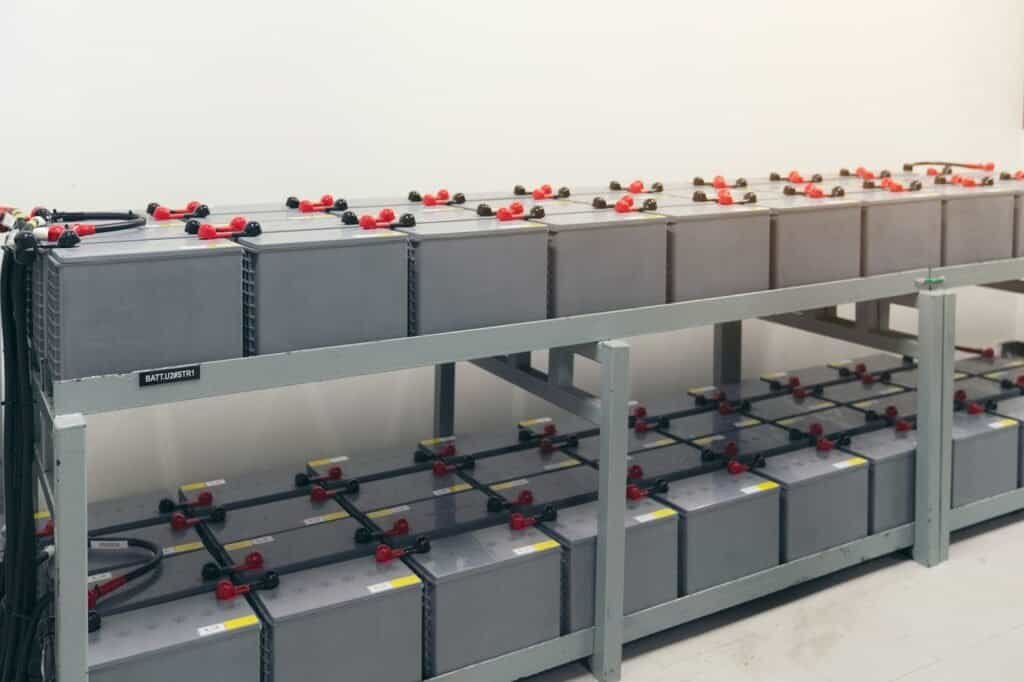
Battery test equipment is the insurance policy for your backup power. Whether you use a quick handheld tester for monthly checks or a load bank for annual verification, regular testing ensures your systems stay online when the grid goes down.
Comprehensive Guide to Transformer Turns Ratios and Current Ratios Across All Voltage Levels
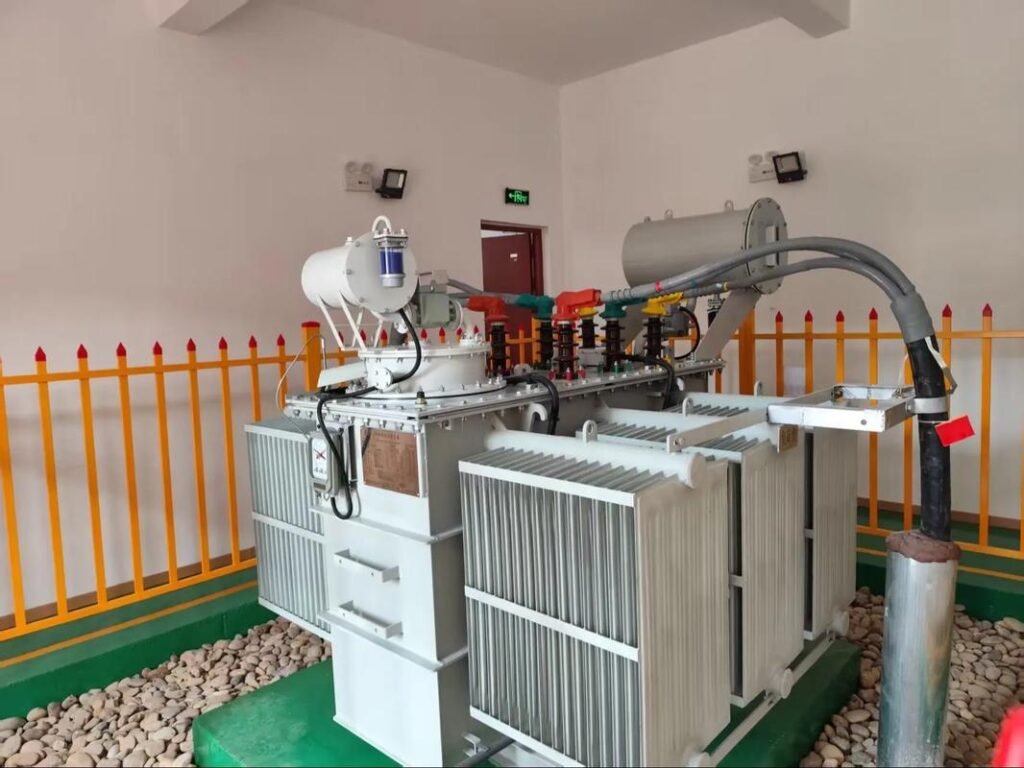
The turns ratio and current ratio of transformers across different voltage levels are fundamentally the result of comprehensive design based on the law of electromagnetic induction, taking into account voltage levels, rated capacity, application scenarios, and grid requirements. From the 1:25 turns ratio in low-voltage distribution networks to the 2:1 turns ratio in ultra-high-voltage grids, variations in the transformation ratio directly determine the distance, capacity, and efficiency of power transmission.
Five Common Problems Found During Circuit Breaker Maintenance

The five most common problems found during circuit breaker maintenance are high contact resistance, failed timing tests, high SF6 gas moisture, slow mechanism operation, and distinguishing between mechanical and electrical faults. Using a systematic checklist helps you diagnose these issues efficiently and safely.
What Service Support Do EPC Contractors and Utilities Really Require?

To summarize, EPC contractors need safety and validation, utilities need portability and efficiency, renewable projects need speed, and schools need a complete educational system. Understanding these needs helps you select the right support package.
Decoding Technical Specifications: Selecting the Right HV Test Equipment for 110kV Systems
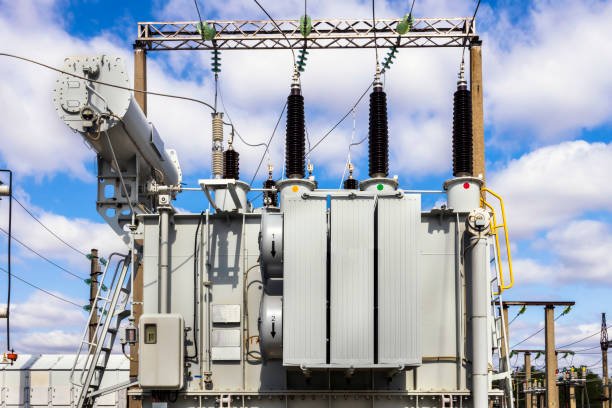
To choose the right HV test gear, look beyond the voltage. Analyze the load capacity, measurement accuracy, and environmental specs to ensure reliable, safe, and meaningful results on your 110kV+ assets.
What is the purpose of an current injection test?
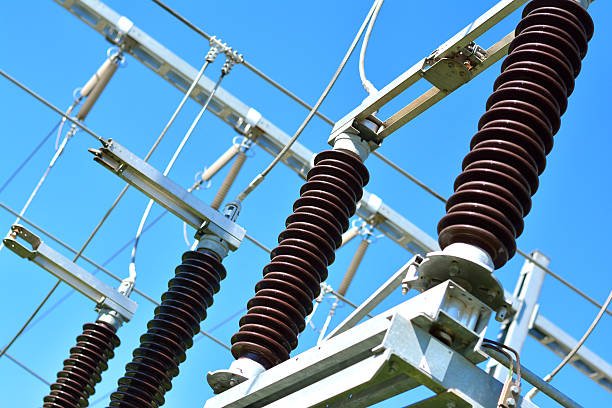
Current injection testing is a diagnostic method used to verify the performance of protective devices like circuit breakers and relays.
A specialized test set injects a controlled electrical current to simulate an overcurrent or fault condition, ensuring the device trips correctly.
What electrical testing is required for a transformer bushing?

Routine electrical testing of transformer bushings is essential for early detection of insulation problems and preventing catastrophic failures. The most commonly used tests are capacitance and tan delta, insulation resistance, and power factor. Advanced diagnostics like DFR and PD testing provide deeper insights and are increasingly used in condition-based maintenance programs.
What Technical Specifications Matter in a Transformer Oil Gas Chromatograph?
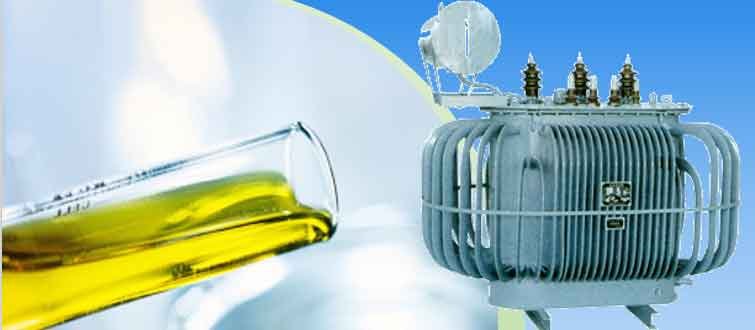
A gas chromatography machine is essential because it performs Dissolved Gas Analysis (DGA), the single most effective “blood test” for a transformer. It verifies the requirements for carrier gas purity and the machine’s calibration stability for accurate results.
What is the ROI of an In-House Current Injection Tester vs. Outsourcing?
Owning a current injection tester is a strategic investment. The real ROI comes from reduced downtime and operational flexibility, which far outweighs the initial cost and ongoing service fees.

 Español de Colombia
  English
  العربية
  ไทย
ไทย  Italiano
  Español de México
  한국어
한국어  Tiếng Việt
  Português do Brasil
  Français
  Русский
  Português
  Türkçe