

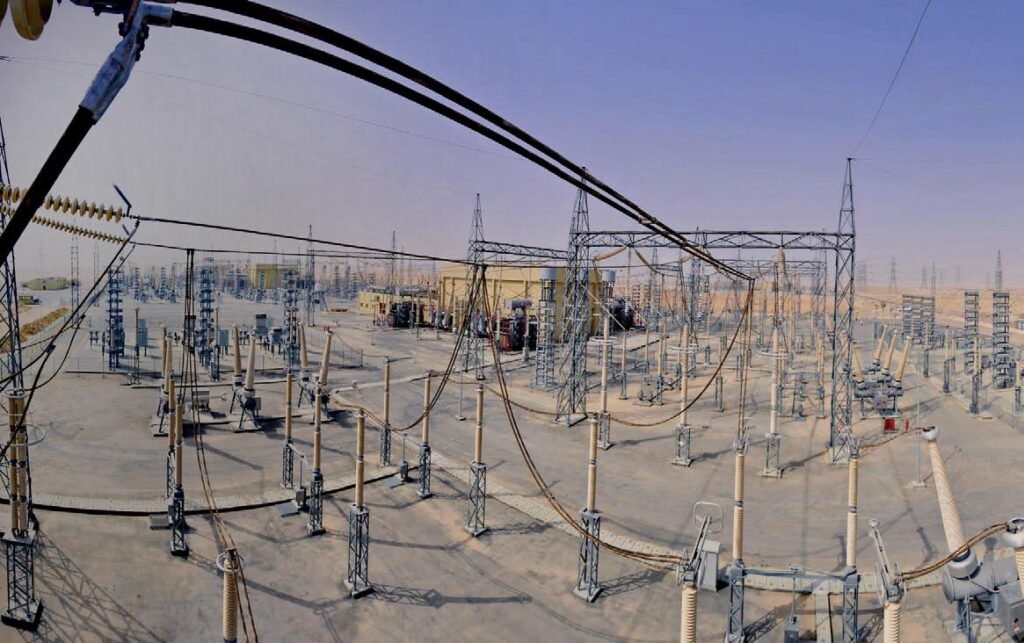
Power outages cost money and stop production. Finding insulation problems is hard. You need a way to find these hidden dangers while your systems remain fully operational. You can detect insulation degradation without powering off equipment by using a handheld partial discharge detector. This tool uses acoustic, TEV, and UHF sensors to find active electrical faults, like corona or surface tracking, while your cables carry their normal load. Utility managers often struggle to balance machine reliability with keeping the power on. Taking equipment offline causes massive disruption. Let us look at how modern testing tools solve this serious problem.
What happens if you ignore partial discharge in aging GIS (Gas Insulated Switchgear) infrastructure?
Aging GIS units hide tiny electrical sparks. Ignoring these small sparks leads to massive failures. You risk sudden blackouts and high repair bills if you do not test regularly. If you ignore partial discharge in aging GIS infrastructure, the insulation gas breaks down over time. Small sparks grow into large arcs. This process destroys the internal parts, causes sudden switchgear explosions, and forces long, unplanned power outages at your substation. ! Gas Insulated Switchgear (GIS) uses SF6 gas to stop electrical fires. Over time, metal particles or loose parts create partial discharge inside the metal tanks. I have seen many substations ignore early warning signs. They think the system is sealed and safe. This is a dangerous mistake. I tell my clients that ignoring these small signs leads to huge losses.
The Process of GIS Insulation Failure
When partial discharge starts, it produces heat. It causes chemical reactions inside the tank. The SF6 gas breaks down into toxic powders. These powders coat the internal parts and insulators. The parts lose their strength quickly. The gas loses its ability to stop arcs. Eventually, a massive short circuit happens. You cannot see this process from the outside. You must test from the outside to know the truth.
Comparing Early Detection vs. Total Failure
You must understand the exact cost difference between early repairs and late replacement.
| Condition | Operational Impact | Repair Cost Level | Action Required |
|---|---|---|---|
| Early PD Detection | No power outage | Low | Schedule planned maintenance |
| Moderate Gas Damage | Minor voltage drops | Medium | Replace gas and clean tank |
| Total Insulation Breakdown | Complete system explosion | Extremely High | Replace entire GIS unit |
Using a partial discharge detector allows you to catch the problem early. You save a lot of money. You protect your engineering team from dangerous explosions. You keep your local power grid running smoothly.
How does a handheld PD tester solve the problem of inaccessible cable terminations?
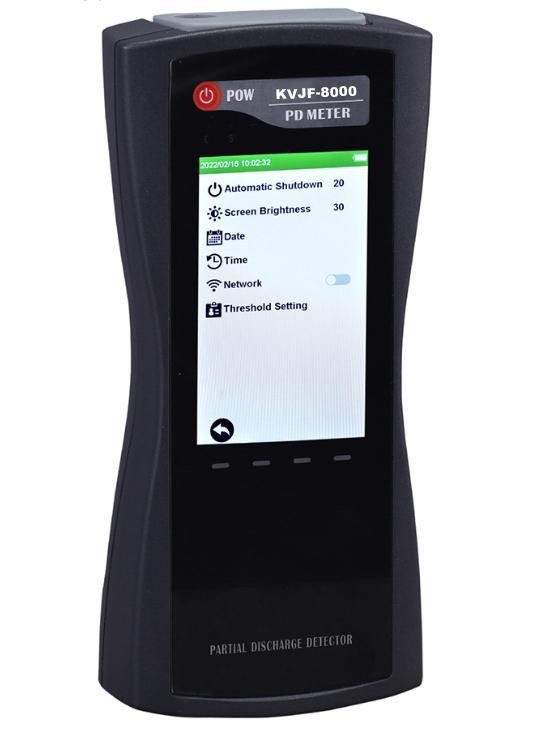
Power grids use many closed metal cabinets. The high-voltage cable ends sit deep inside these cabinets. You cannot see them with your eyes. You cannot touch them safely while the power is on. Opening the metal doors breaks safety rules and puts lives at risk. I always tell contractors to use safe, remote testing methods.
The Technology Behind Remote Sensing
Handheld partial discharge detectors use many advanced sensors. These sensors act like extended eyes and ears for the electrical engineer. They pick up weak signals that human senses cannot hear or see. This technology changes how we maintain substations.
Types of Sensors Used
Different sensors find different types of problems in hidden areas.
| Sensor Type | Signal Detected | Typical Fault Found |
|---|---|---|
| Transient Earth Voltage (TEV) | Electromagnetic pulses on metal | Internal voids in cable insulation |
| Ultrasonic (Acoustic) | High-frequency sound waves | Surface tracking on terminations |
| Ultra-High Frequency (UHF) | Radio frequency waves | Corona discharge near metal edges |
You stand at a safe distance from the live cabinet. You scan the outside metal surface with the tester. The handheld device reads these signals quickly. It shows the danger level clearly on the screen. This method keeps your team alive. It finds hidden surface tracking before the cable melts completely.
Why do traditional offline high-voltage tests sometimes miss early-stage corona discharges?
You spend days doing offline tests, but cables still fail after power returns. Standard tests miss hidden faults. You need testing under real working conditions to find the truth. Traditional offline high-voltage tests miss early-stage corona discharges because they do not copy actual operating conditions. Offline tests use static voltage without normal heat, load current, or mechanical vibration. Corona discharges often need these dynamic real-world stresses to appear, making online PD testing much more accurate.
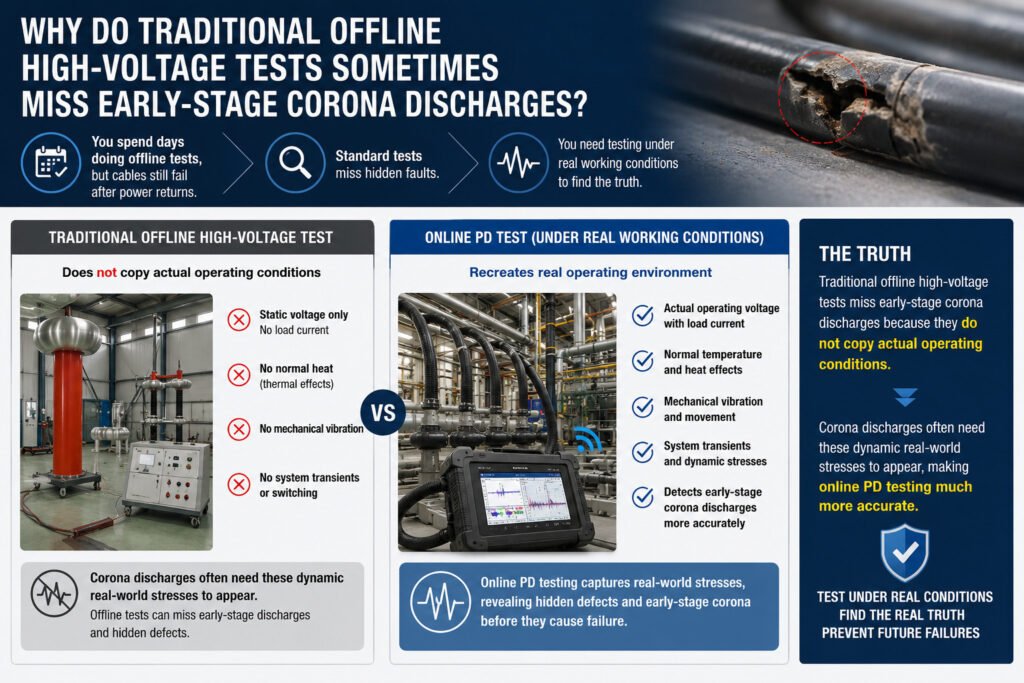
Utility managers struggle to balance machine reliability with keeping the power on. Traditional testing requires taking equipment offline. This process is very expensive. It is highly disruptive to your customers and stops local factories. Many older engineers still trust offline testing completely. I must challenge this old habit using real data.
The Problem with Static Testing
Static offline tests apply high voltage. However, they do not copy reality. During actual operation, a transformer or cable carries heavy load current. This current creates intense heat inside the metal. The equipment expands and contracts every day. Cooling fans and local traffic cause physical shaking. These changing heat and electrical pressures cause active partial discharge. An offline test removes all these pressures. The insulation looks perfect during the offline test. It fails weeks later under real daily loads.
Offline vs. Online Testing Comparison
You need to see the clear differences between these two ways of testing.
| Feature | Offline High-Voltage Test | Online Partial Discharge Test |
|---|---|---|
| Equipment Status | Powered off (No load) | Powered on (Fully loaded) |
| Stress Factors | Voltage only | Voltage, Heat, Current, Vibration |
| Downtime | Alto | Zero |
| Fault Detection | Major insulation breakdowns | Early-stage sparking and tracking |
A handheld detector solves this main problem easily. It finds active damage while the machine is fully loaded. You can find loose connections causing hidden sparks. You can find water causing dangerous tracking. You can plan exact repairs instead of fixing sudden emergency power outages in the middle of the night.
Conclusión
Online partial discharge detectors let you find hidden insulation faults safely. You avoid costly power outages, detect dynamic stresses early, and protect your critical equipment from sudden failure.


 English
  ไทย
ไทย  Tiếng Việt
  العربية
  Русский
  Italiano
  Español
  한국어
한국어  Português do Brasil
  Français
  Español de México
  Português
  Türkçe
  Čeština
  Español de Argentina
  Slovenčina
  Dansk
Dansk  Polski
  Deutsch
  Ελληνικά
  O‘zbekcha
  Bahasa Indonesia
  Română