
Năm vấn đề phổ biến được phát hiện trong quá trình bảo trì cầu dao điện

The five most common problems found during circuit breaker maintenance are high contact resistance, failed timing tests, high SF6 gas moisture, slow mechanism operation, and distinguishing between mechanical and electrical faults. Using a systematic checklist helps you diagnose these issues efficiently and safely.
What Service Support Do EPC Contractors and Utilities Really Require?

To summarize, EPC contractors need safety and validation, utilities need portability and efficiency, renewable projects need speed, and schools need a complete educational system. Understanding these needs helps you select the right support package.
Decoding Technical Specifications: Selecting the Right HV Test Equipment for 110kV Systems
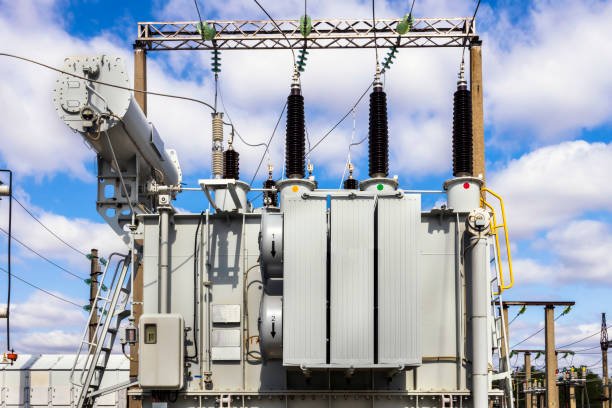
To choose the right HV test gear, look beyond the voltage. Analyze the load capacity, measurement accuracy, and environmental specs to ensure reliable, safe, and meaningful results on your 110kV+ assets.
What is the purpose of an current injection test?
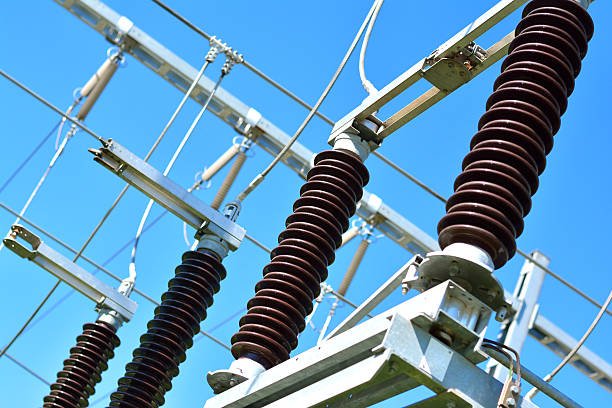
Current injection testing is a diagnostic method used to verify the performance of protective devices like circuit breakers and relays.
A specialized test set injects a controlled electrical current to simulate an overcurrent or fault condition, ensuring the device trips correctly.
What electrical testing is required for a transformer bushing?

Routine electrical testing of transformer bushings is essential for early detection of insulation problems and preventing catastrophic failures. The most commonly used tests are capacitance and tan delta, insulation resistance, and power factor. Advanced diagnostics like DFR and PD testing provide deeper insights and are increasingly used in condition-based maintenance programs.
What Technical Specifications Matter in a Transformer Oil Gas Chromatograph?
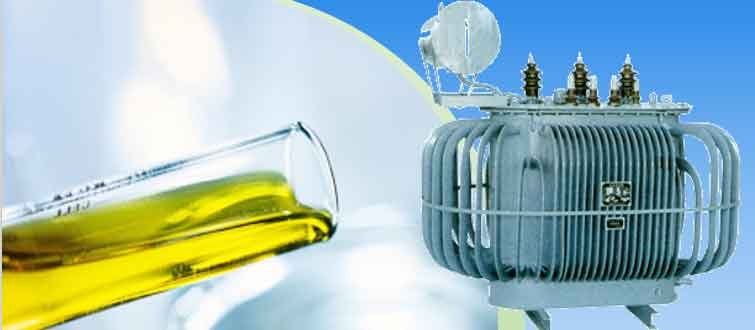
A gas chromatography machine is essential because it performs Dissolved Gas Analysis (DGA), the single most effective “blood test” for a transformer. It verifies the requirements for carrier gas purity and the machine’s calibration stability for accurate results.
So sánh giữa việc tự sản xuất máy kiểm tra dòng điện và việc thuê ngoài có nên là giải pháp tối ưu nhất không?
Việc sở hữu máy kiểm tra tiêm hiện tại là một khoản đầu tư chiến lược. Lợi tức đầu tư thực sự đến từ việc giảm thời gian ngừng hoạt động và tính linh hoạt trong hoạt động, vượt xa chi phí ban đầu và phí dịch vụ liên tục.
How Would You Use a Gas Chromatograph After a Substation Trip Event?
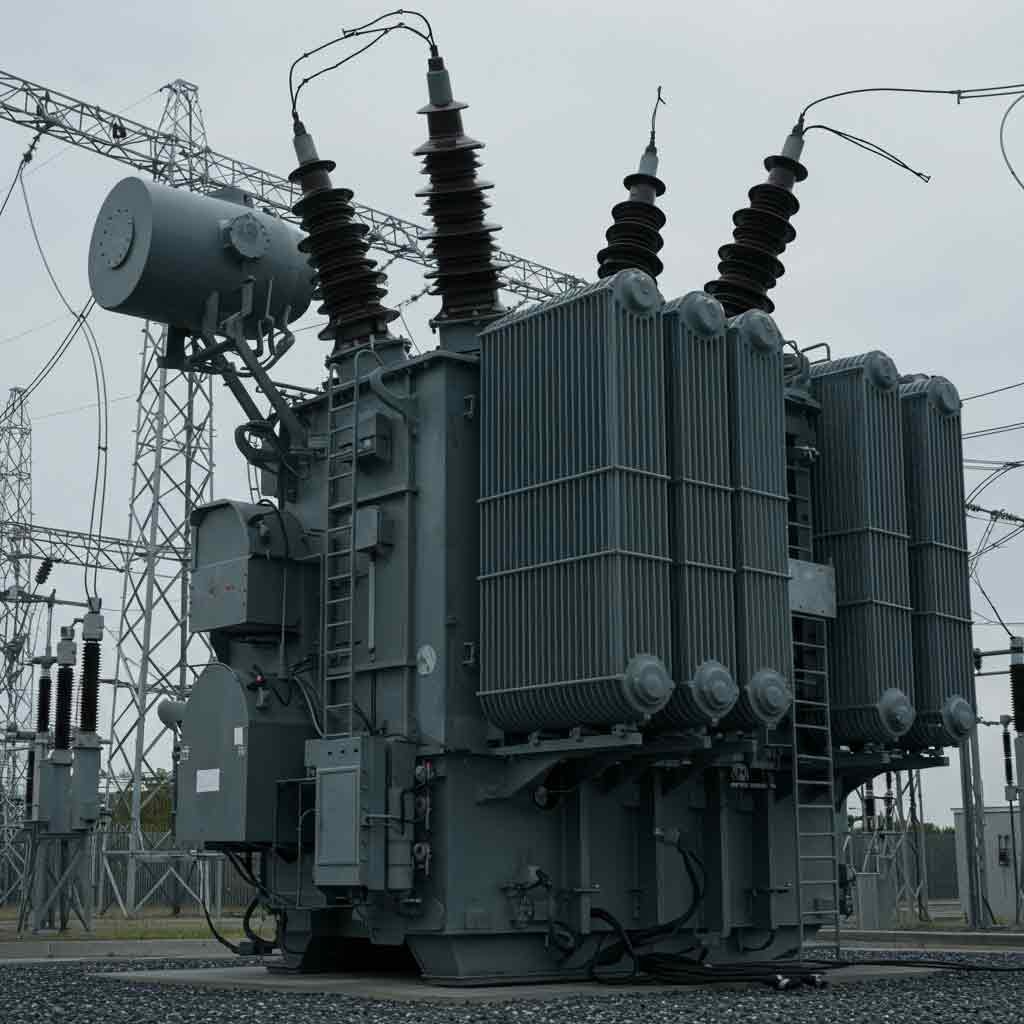
After a substation trip, a portable gas chromatograph is your essential first-response tool. It provides rapid, critical data to ensure safety, protect valuable assets, and guide your next steps effectively.
What are dielectric tests?
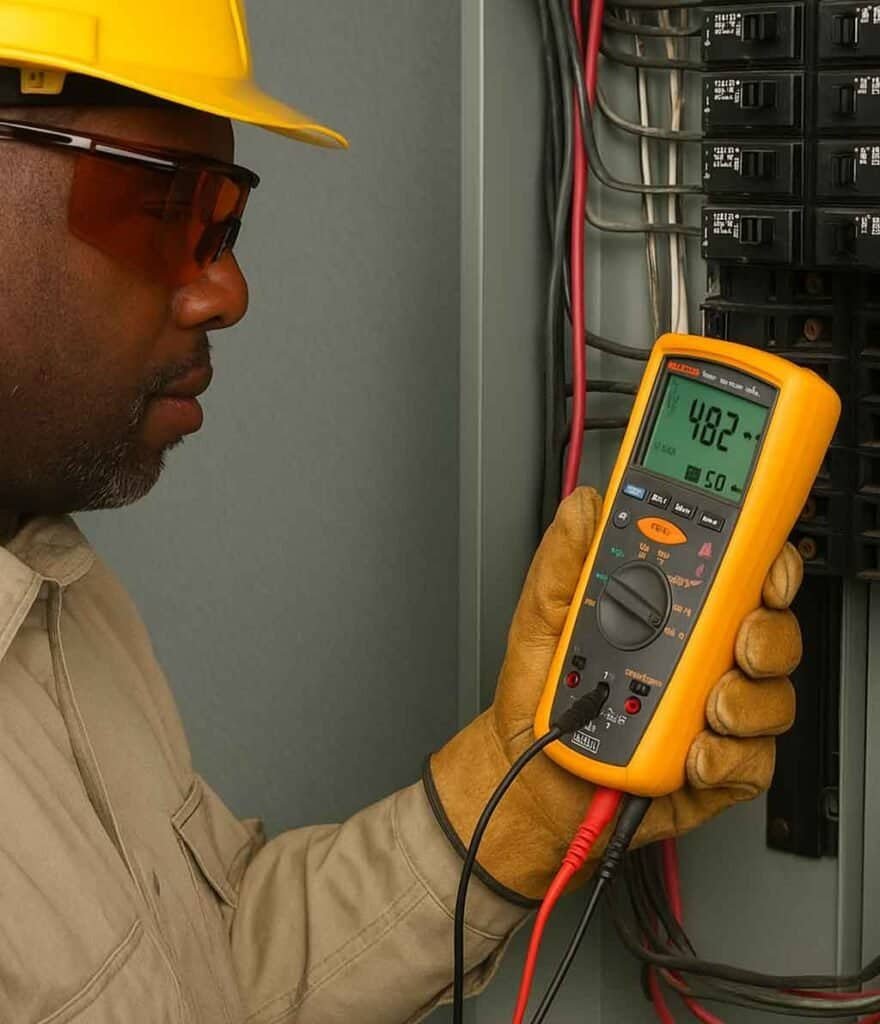
Dielectric tests, or Hipot tests, are essential for verifying insulation strength. They differ from insulation resistance tests and are a non-destructive way to confirm electrical equipment safety and prevent unexpected failures.
How much does a DGA test for transformers cost?
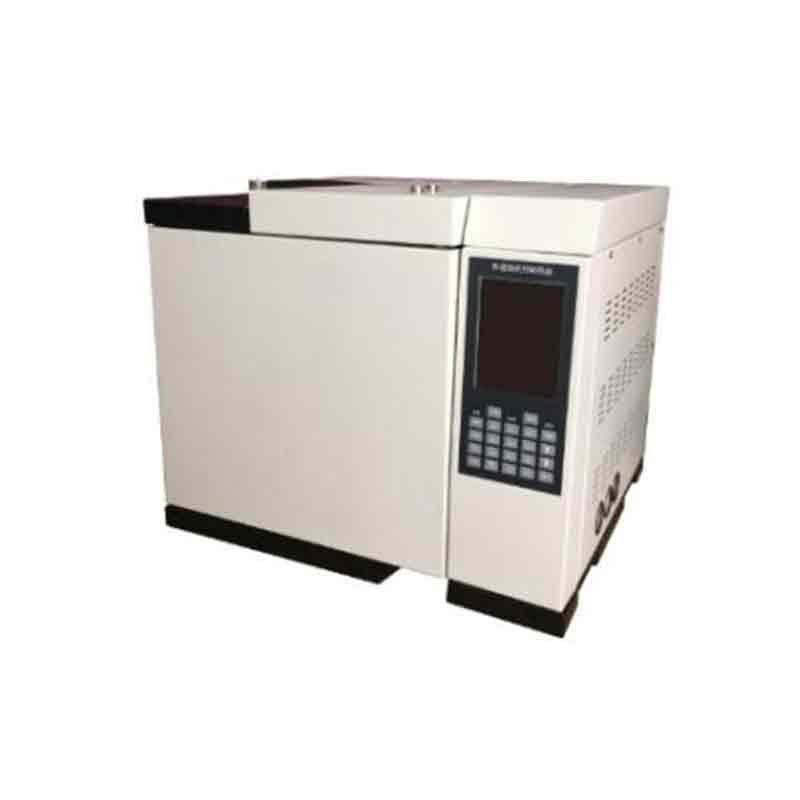
Dissolved gas analysis (DGA) of transformer oil is a technique that measures the types and concentrations of gases dissolved in transformer insulating oil. The cost depends on your method. Sending a sample to a lab costs between $100 and $500 per test. Buying a portable analyzer is a one-time cost of $15,000 to $50,000. An online monitor can cost $25,000 to over $100,000 to install.

 English
 ไทย
 Tiếng Việt
 العربية
 Русский
 Italiano
 Español
 한국어
 Português do Brasil
 Français
 Español de México
 Português
 Türkçe
 Čeština
 Español de Argentina
 Slovenčina
 Dansk
 Polski
 Deutsch
 Ελληνικά
 O‘zbekcha
 Bahasa Indonesia
 Română