
Five Common Problems Found During Circuit Breaker Maintenance

The five most common problems found during circuit breaker maintenance are high contact resistance, failed timing tests, high SF6 gas moisture, slow mechanism operation, and distinguishing between mechanical and electrical faults. Using a systematic checklist helps you diagnose these issues efficiently and safely.
¿Qué apoyo técnico requieren realmente los contratistas EPC y las empresas de servicios públicos?

En resumen, los contratistas de EPC necesitan seguridad y validación, las empresas de servicios públicos necesitan portabilidad y eficiencia, los proyectos renovables necesitan velocidad y las escuelas necesitan un sistema educativo completo. Entender estas necesidades te ayuda a seleccionar el paquete de apoyo adecuado.
Decoding Technical Specifications: Selecting the Right HV Test Equipment for 110kV Systems
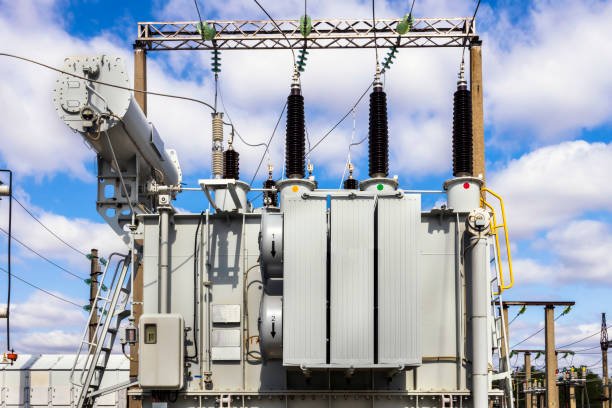
To choose the right HV test gear, look beyond the voltage. Analyze the load capacity, measurement accuracy, and environmental specs to ensure reliable, safe, and meaningful results on your 110kV+ assets.
What is the purpose of an current injection test?
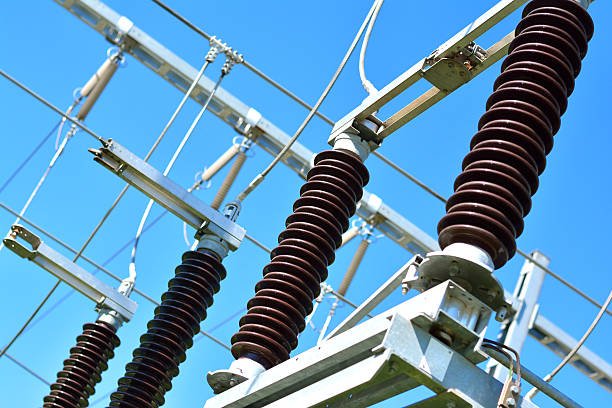
Current injection testing is a diagnostic method used to verify the performance of protective devices like circuit breakers and relays.
A specialized test set injects a controlled electrical current to simulate an overcurrent or fault condition, ensuring the device trips correctly.
¿Qué pruebas eléctricas se requieren para un manguito de transformador?

La realización rutinaria de pruebas eléctricas de los cojinetes de transformadores es esencial para detectar de forma temprana problemas de aislamiento y prevenir fallos catastróficos. Los ensayos más utilizados son la capacitancia y el tan delta, la resistencia a la tensión y el factor de potencia. Diagnósticos avanzados como la prueba DFR y la PD proporcionan una visión más profunda y están cada vez más utilizados en programas de mantenimiento basados en condiciones.
What Technical Specifications Matter in a Transformer Oil Gas Chromatograph?
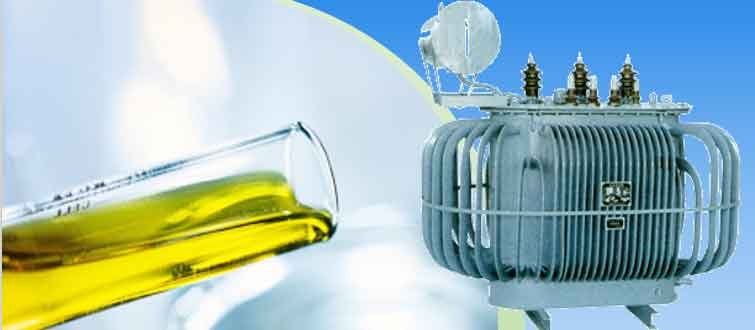
A gas chromatography machine is essential because it performs Dissolved Gas Analysis (DGA), the single most effective “blood test” for a transformer. It verifies the requirements for carrier gas purity and the machine’s calibration stability for accurate results.
What is the ROI of an In-House Current Injection Tester vs. Outsourcing?
Owning a current injection tester is a strategic investment. The real ROI comes from reduced downtime and operational flexibility, which far outweighs the initial cost and ongoing service fees.
How Would You Use a Gas Chromatograph After a Substation Trip Event?
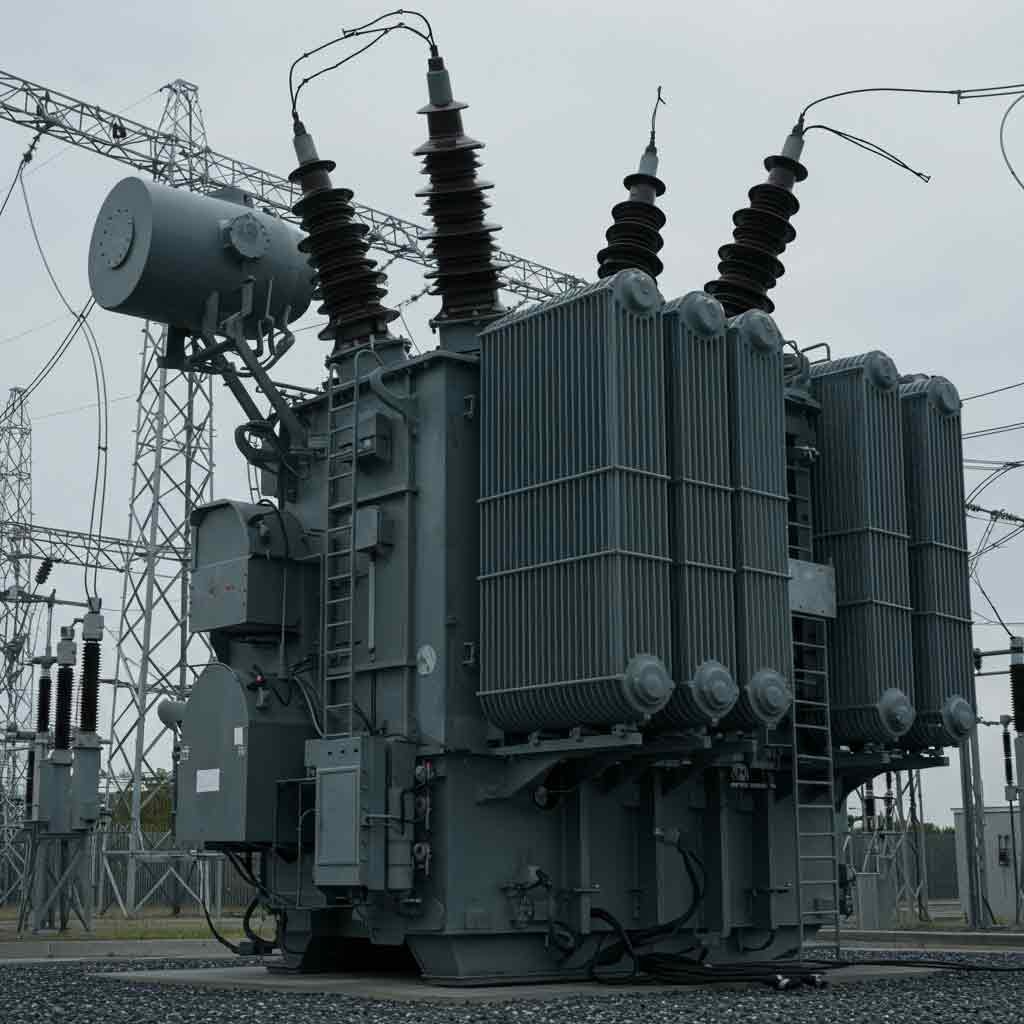
After a substation trip, a portable gas chromatograph is your essential first-response tool. It provides rapid, critical data to ensure safety, protect valuable assets, and guide your next steps effectively.
What are dielectric tests?
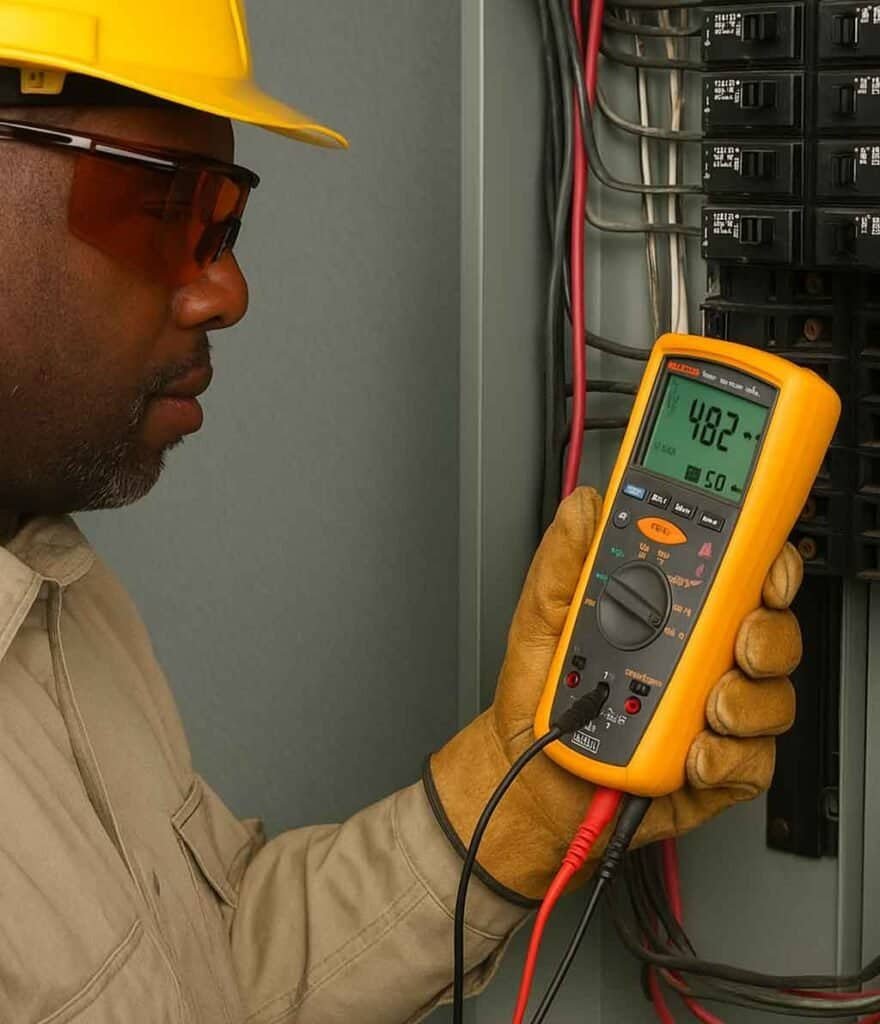
Dielectric tests, or Hipot tests, are essential for verifying insulation strength. They differ from insulation resistance tests and are a non-destructive way to confirm electrical equipment safety and prevent unexpected failures.
How much does a DGA test for transformers cost?
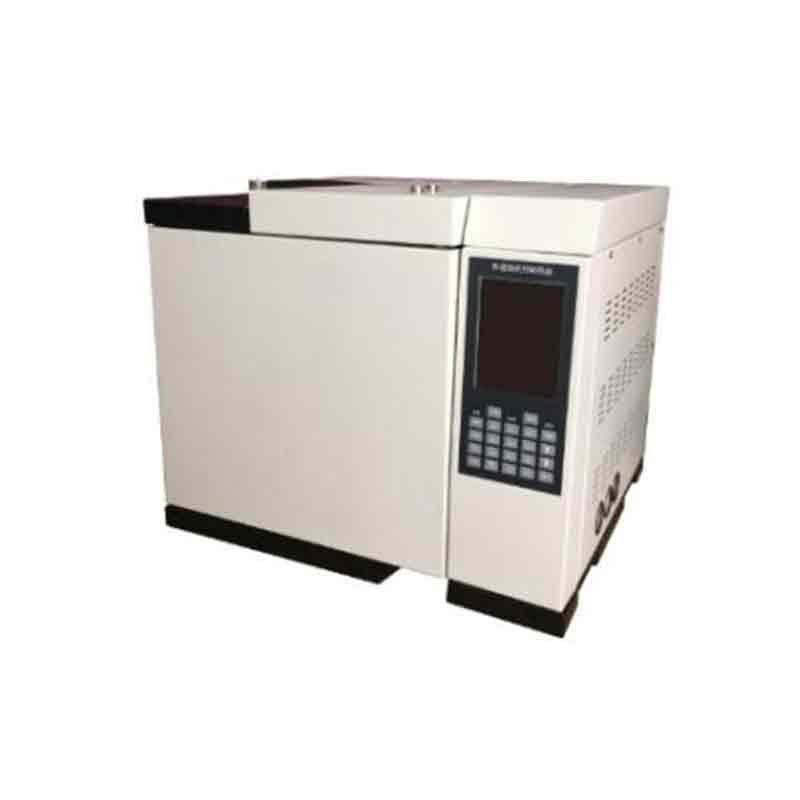
Dissolved gas analysis (DGA) of transformer oil is a technique that measures the types and concentrations of gases dissolved in transformer insulating oil. The cost depends on your method. Sending a sample to a lab costs between $100 and $500 per test. Buying a portable analyzer is a one-time cost of $15,000 to $50,000. An online monitor can cost $25,000 to over $100,000 to install.

 English
 ไทย
 Tiếng Việt
 العربية
 Русский
 Italiano
 Español
 한국어
 Português do Brasil
 Français
 Español de México
 Português
 Türkçe
 Čeština
 Español de Argentina
 Slovenčina
 Dansk
 Polski
 Deutsch
 Ελληνικά
 O‘zbekcha
 Bahasa Indonesia
 Română