
What is an SF6 Gas Analyzer and Why is it Critical for GIS Maintenance?

SF6 gas inside your switchgear is the only thing standing between safe operation and a major disaster. An SF6 gas analyzer gives you the power to see inside the tank. It tells you if your insulation is pure, if it is dry enough to stop an arc, and if there is any hidden damage happening right now.
The Health Risks of SF6 Decomposition Products: A Safety Guide?
Safety is the foundation of our industry. We build these powerful electrical systems to power the world, but we must respect the chemistry inside them. SF6 gas is a miracle insulator, but when it breaks down, it becomes a hazard.
SF6 Gas Analyzer Specifications: Key Features Compared?

Selecting the right SF6 gas analyzer requires attention to detail. You must ensure the device covers the necessary measuring ranges for purity, dew point, and decomposition products. Accuracy is non-negotiable; look for ≤1% error margins to ensure safety and IEC 60480 compliance. Finally, decide between portable flexibility and stationary monitoring based on your specific site requirements.
The Top 5 Technical Hurdles to Accurate Transformer Oil Tan Delta Measurement?
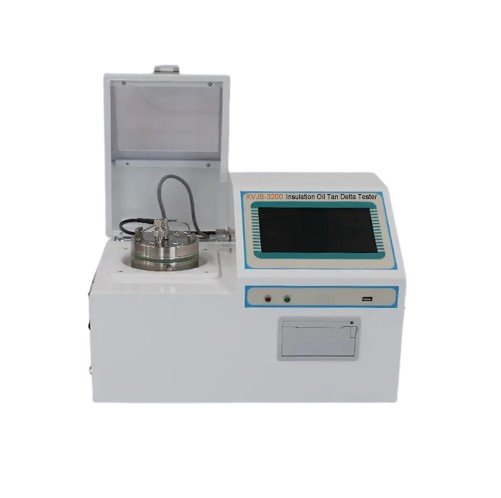
Accurate Tan Delta testing requires controlling moisture, contaminants, temperature, and interference. Understanding these technical hurdles allows engineers to trust their results and make informed maintenance decisions for critical transformers.
How is Transformer Turn Ratio Tester Used in Different Industries?
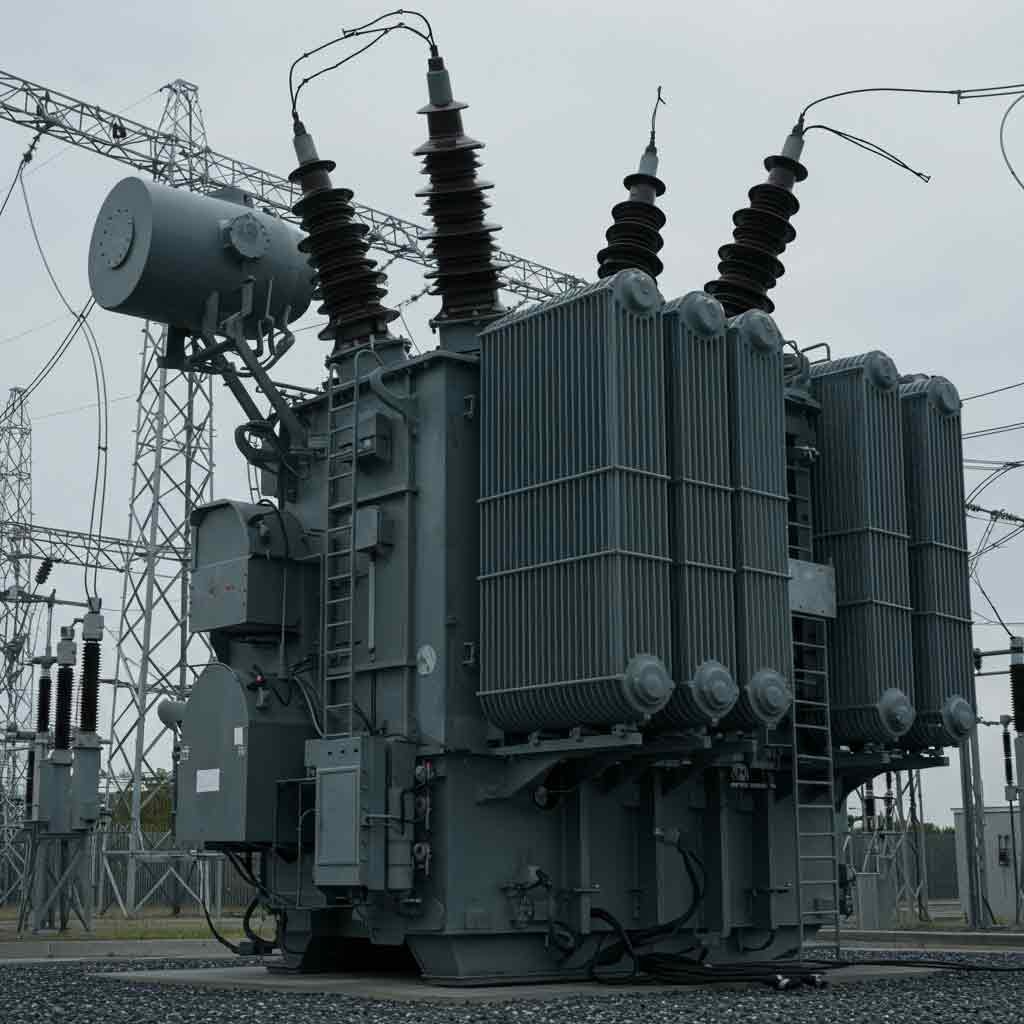
A transformer turn ratio (TTR) tester is used to measure the ratio of the number of turns in the primary winding to the number of turns in the secondary winding of a transformer. It helps detect faults in the transformer, such as shorted or open windings, and ensures the transformer is operating correctly.
Análisis completo de la solución de problemas y el tratamiento de los transformadores de potencia
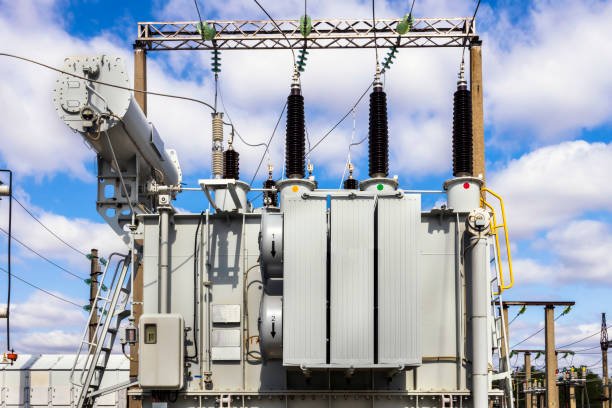
Este artículo proporciona una análisis y estudio exhaustivo del diagnóstico y tratamiento de fallas en transformadores de energía. A través de una discusión detallada de los tipos y causas de las fallas, se identifican los principales tipos de fallas, como las fallas por sobrecalentamiento en los circuitos conductores, la degradación de los niveles de aislamiento, las fallas por producción de gas, las fallas en los interruptores reguladores, la deformación de los devanados del transformador, los defectos de filtración de aceite del transformador y las fallas en los cojinetes de condensadores, y se analizan sus efectos en el funcionamiento seguro del transformador.
Mantenimiento preventivo de equipos de energía de alta tensión de 10 kV
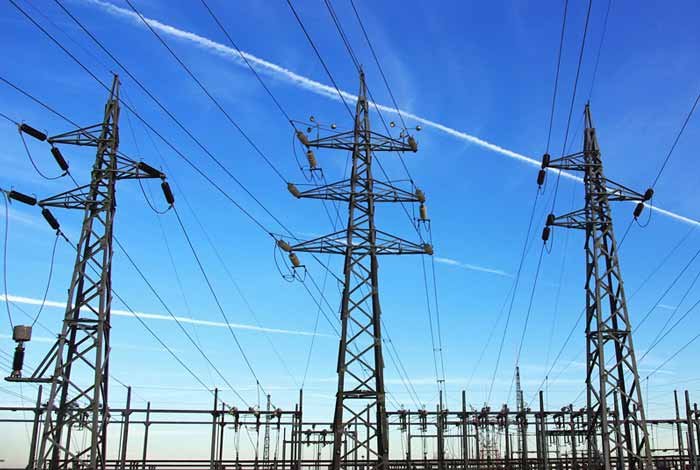
El equipo de puesta a tierra, los interruptores de circuito, los transformadores de corriente y de tensión, los disyuntores, los conductores de 10 kV, los transformadores, los cables de 10 kV, los equipos de puesta a tierra, los dispositivos de protección de relé y las pruebas de barras de distribución de 10 kV son todos componentes comunes en los sistemas de energía. La realización periódica de pruebas preventivas es esencial para garantizar el funcionamiento seguro de este equipo. A continuación, hablaremos de las pruebas preventivas de energía para estos componentes comunes.
How AC Resonance Testing Enhances GIS Reliability and Longevity
AC resonance test system helps extend the lifespan of GIS components, allowing operators to maximize the return on investment in this critical electrical infrastructure. By incorporating resonance testing into their maintenance strategies, utilities and industrial operators can significantly improve the operational efficiency and durability of their GIS systems.
Why AC Resonance Testing is Essential for Transformers
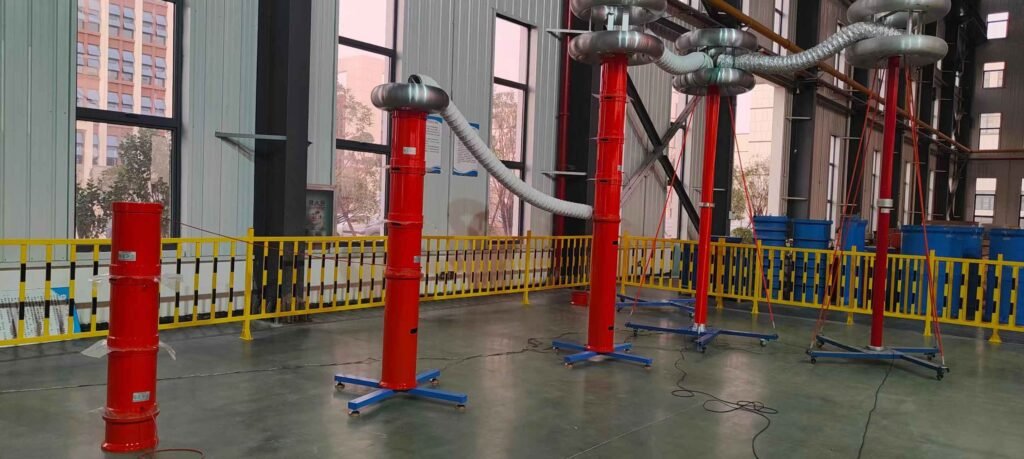
AC resonance testing is an indispensable tool throughout the transformer life cycle—from factory acceptance and commissioning to routine maintenance and troubleshooting
Comprobador de grado de vacío con interruptor de vacío

El medidor de grado de vacío con interruptor de vacío utiliza una bobina de excitación innovadora y emplea el método de descarga de magnetrón para evaluar el grado de vacío de la cámara de extinción de arco sin necesidad de desarmarla.

 English
 ไทย
 Tiếng Việt
 العربية
 Русский
 Italiano
 Español
 한국어
 Português do Brasil
 Français
 Español de México
 Português
 Türkçe
 Čeština
 Español de Argentina
 Slovenčina
 Dansk
 Polski
 Deutsch
 Ελληνικά
 O‘zbekcha
 Bahasa Indonesia
 Română