
Teknik
What is VLF cable testing?
VLF cable testing is a safe and smart choice for your cables. By choosing the correct frequency, you find hidden defects easily and keep your power network running perfectly.

VLF cable testing is a safe and smart choice for your cables. By choosing the correct frequency, you find hidden defects easily and keep your power network running perfectly.
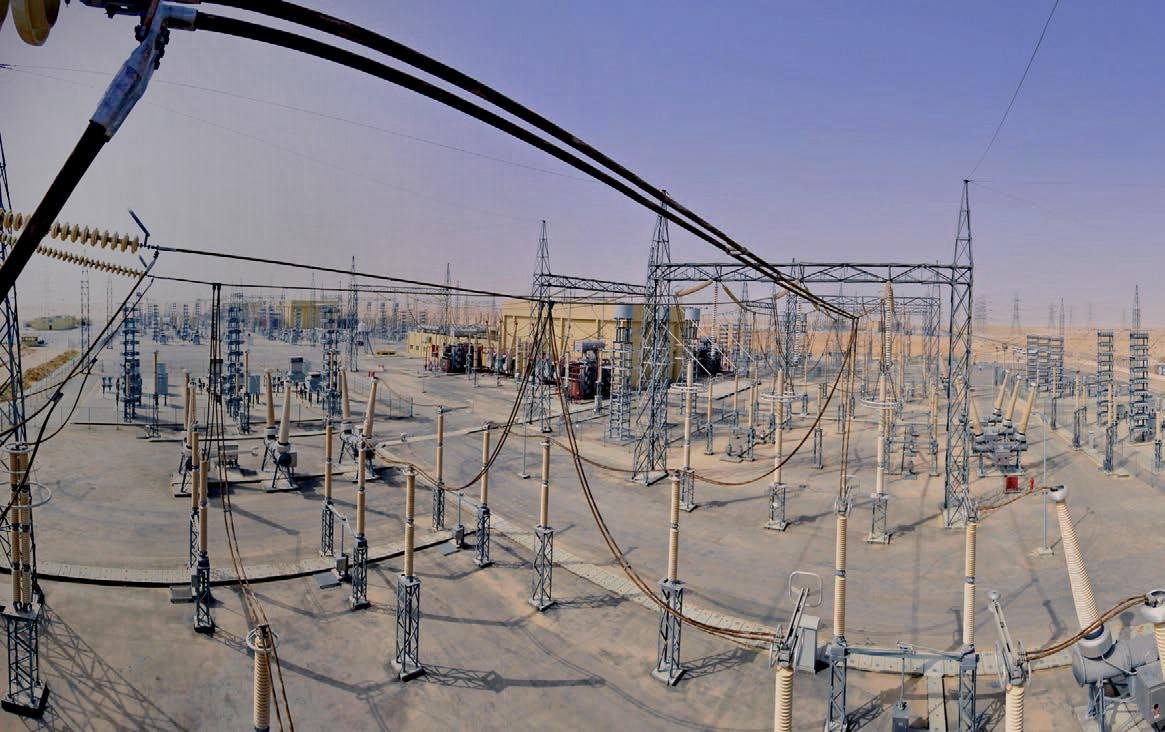
Very Low Frequency (VLF) testing for all medium voltage cables during commissioning and diagnostics. SEC acceptance requirements are generally framed based on the principles of international standards IEEE 400.2 and IEC 60502-2.
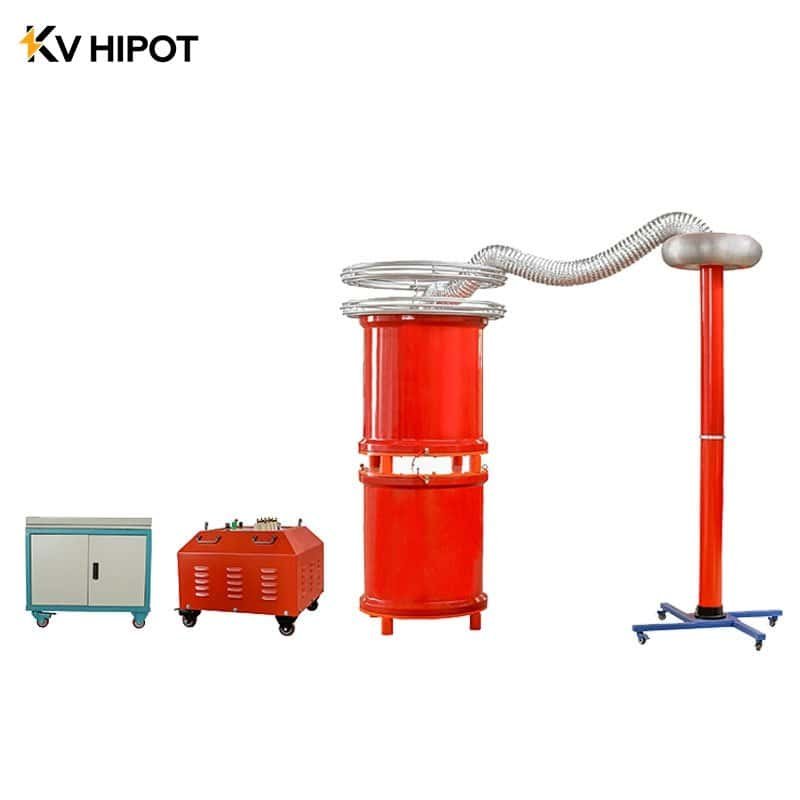
Testing large, high-voltage electrical equipment like long XLPE cables, GIS, and large transformers is a serious challenge. AC Resonance Test Systems is essential test equipment for hv electrical equipment .
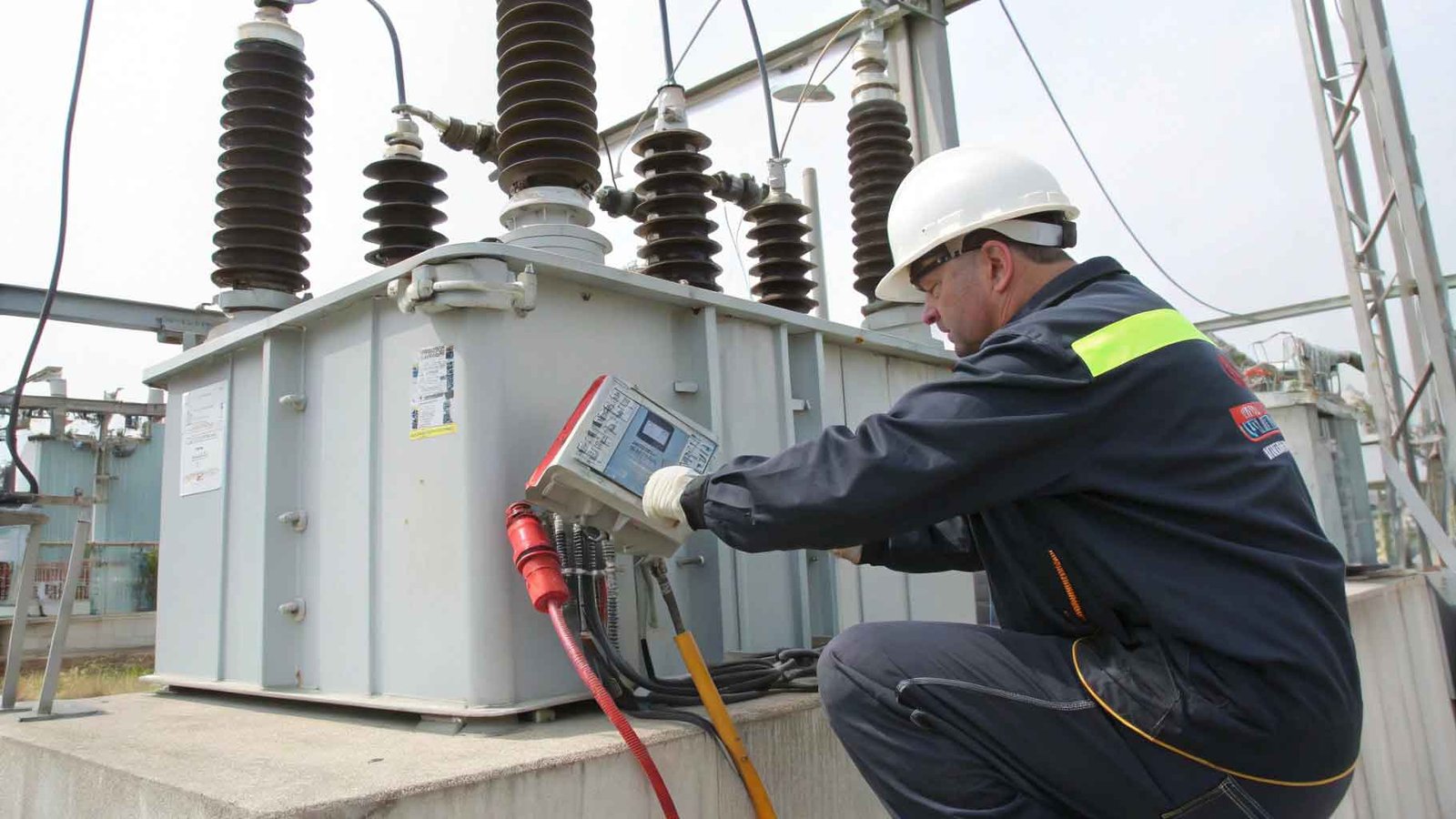
Selecting the right parameters for a Transformer Megger Test is not a guessing game; it is a science based on standards and physics.
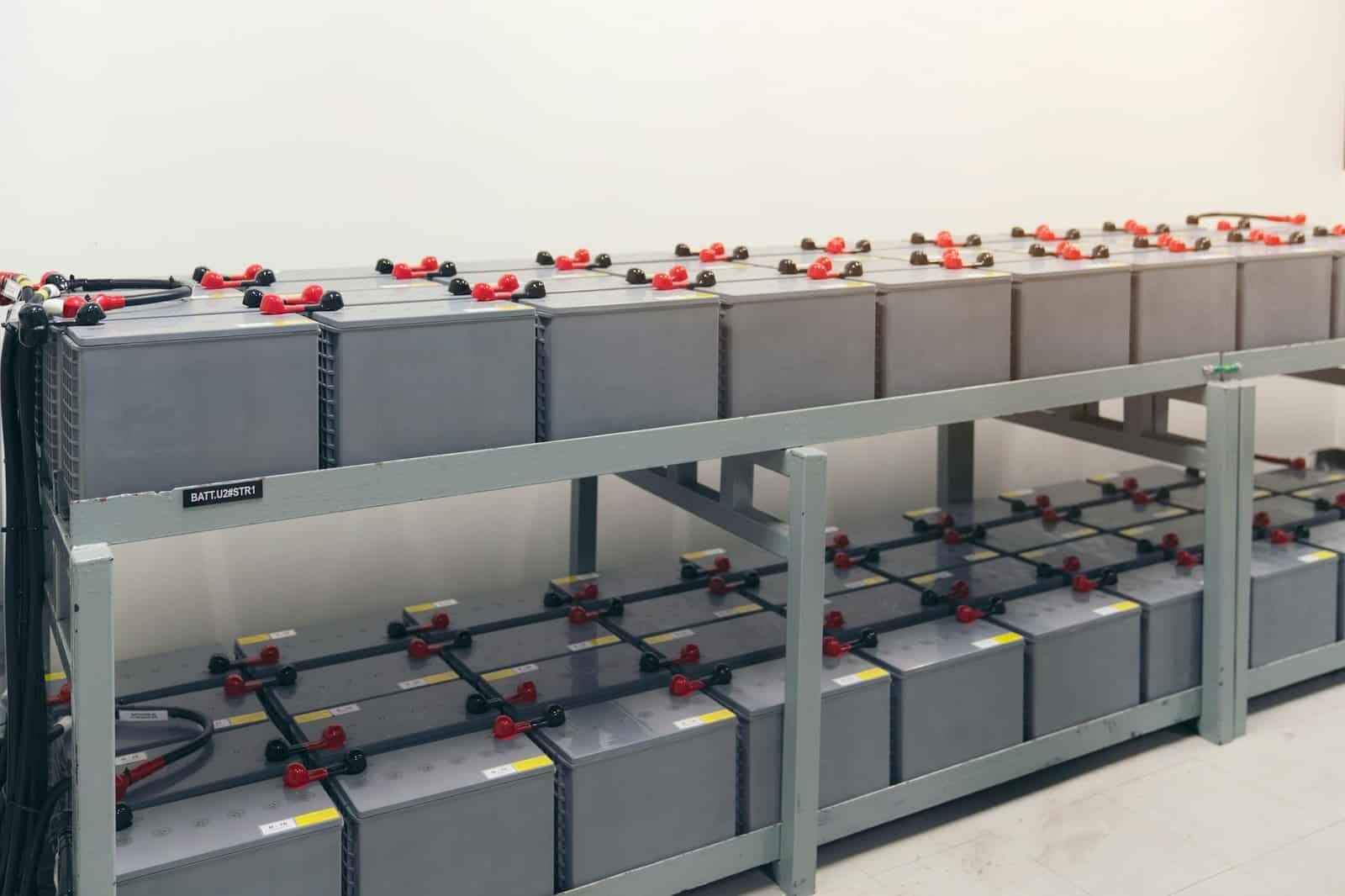
Battery test equipment is the insurance policy for your backup power. Whether you use a quick handheld tester for monthly checks or a load bank for annual verification, regular testing ensures your systems stay online when the grid goes down.
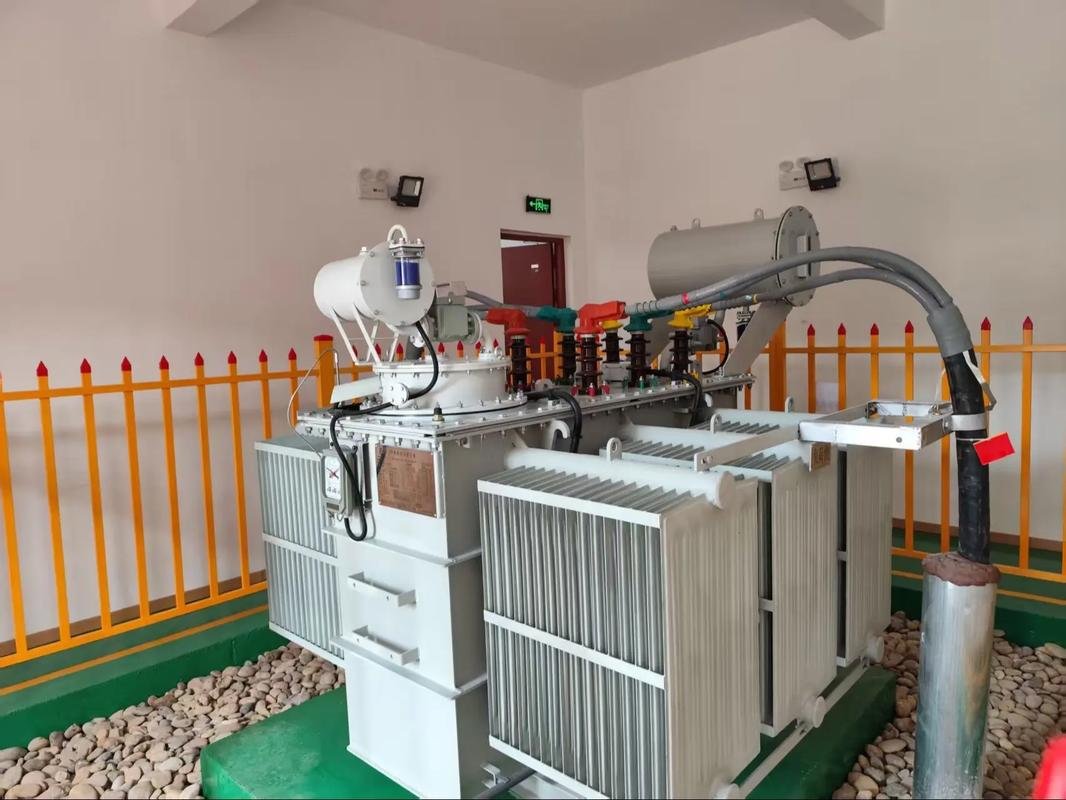
Sifat putaran dan arus transformator di berbagai tingkat tegangan pada dasarnya merupakan hasil dari desain komprehensif berdasarkan hukum induksi elektromagnetik, dengan mempertimbangkan tingkat tegangan, kapasitas nominal, skenario aplikasi, dan persyaratan jaringan listrik. Dari rasio putaran 1:25 di jaringan distribusi tegangan rendah hingga rasio putaran 2:1 di jaringan tegangan ultra-tinggi, variasi pada rasio transformasi secara langsung menentukan jarak, kapasitas, dan efisiensi transmisi daya.

Safety is the foundation of our industry. We build these powerful electrical systems to power the world, but we must respect the chemistry inside them. SF6 gas is a miracle insulator, but when it breaks down, it becomes a hazard.

Selecting the right SF6 gas analyzer requires attention to detail. You must ensure the device covers the necessary measuring ranges for purity, dew point, and decomposition products. Accuracy is non-negotiable; look for ≤1% error margins to ensure safety and IEC 60480 compliance. Finally, decide between portable flexibility and stationary monitoring based on your specific site requirements.
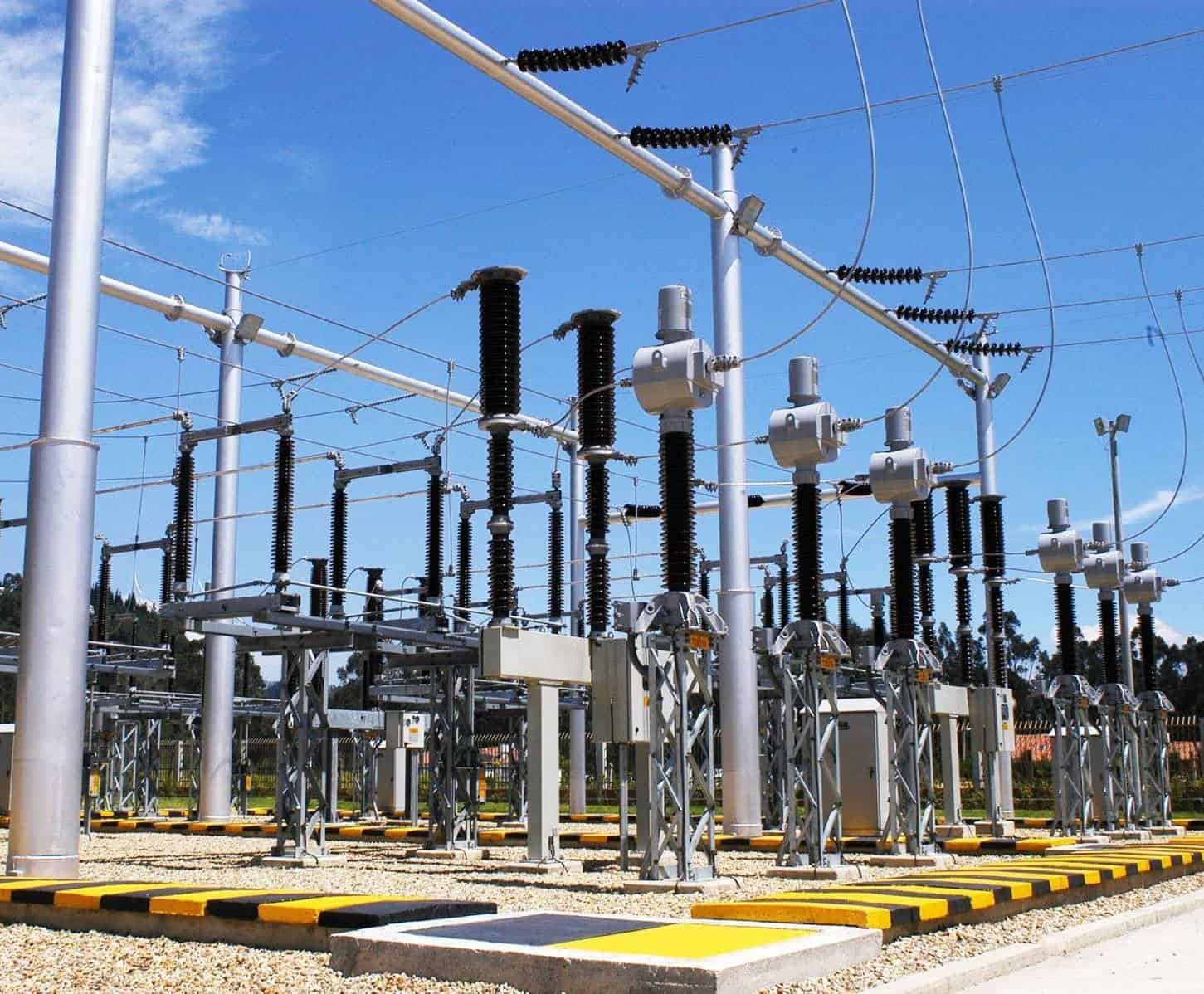
The five most common problems found during circuit breaker maintenance are high contact resistance, failed timing tests, high SF6 gas moisture, slow mechanism operation, and distinguishing between mechanical and electrical faults. Using a systematic checklist helps you diagnose these issues efficiently and safely.

To summarize, EPC contractors need safety and validation, utilities need portability and efficiency, renewable projects need speed, and schools need a complete educational system. Understanding these needs helps you select the right support package.

 English English
 ไทย
 Tiếng Việt
 العربية
 Русский
 Italiano
 Español
 한국어
 Português do Brasil
 Français
 Español de México
 Português
 Türkçe
 Čeština
 Español de Argentina
 Slovenčina
 Dansk
 Polski
 Deutsch
 Ελληνικά
 O‘zbekcha
 Bahasa Indonesia
 Română