VLF vs. DC Hipot Testing: Which is Safer?
VLF testing is the only safe way to test modern XLPE power cables. It stops space charge damage, follows IEEE standards, and saves your expensive electrical assets from sudden failure.

VLF testing is the only safe way to test modern XLPE power cables. It stops space charge damage, follows IEEE standards, and saves your expensive electrical assets from sudden failure.

Choosing the right VLF tester requires checking the frequency, matching the cable voltage, and comparing brand data. KVHIPOT gives you the best balance of price, power, and reliable field performance.

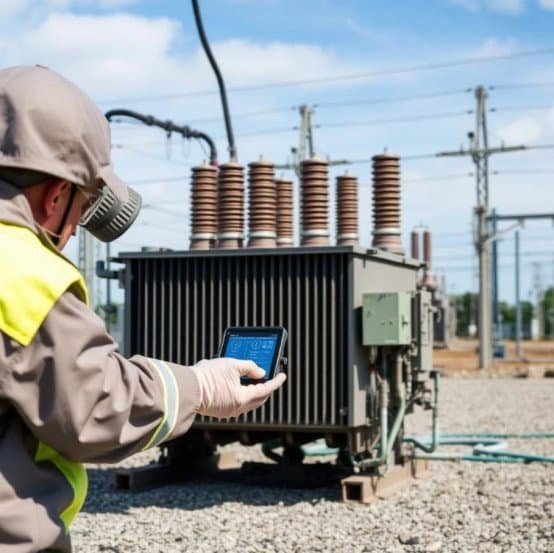
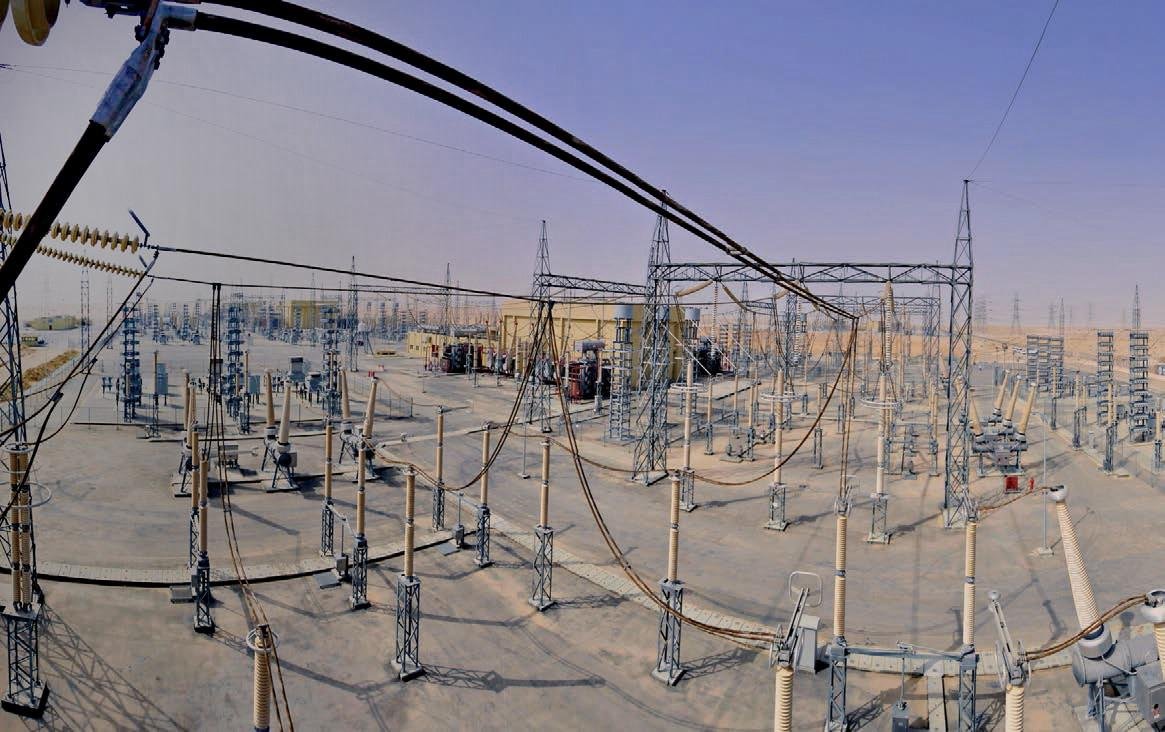
Substation commissioning is hard work. Bad transformer tests cause huge

VLF cable testing is a safe and smart choice for your cables. By choosing the correct frequency, you find hidden defects easily and keep your power network running perfectly.

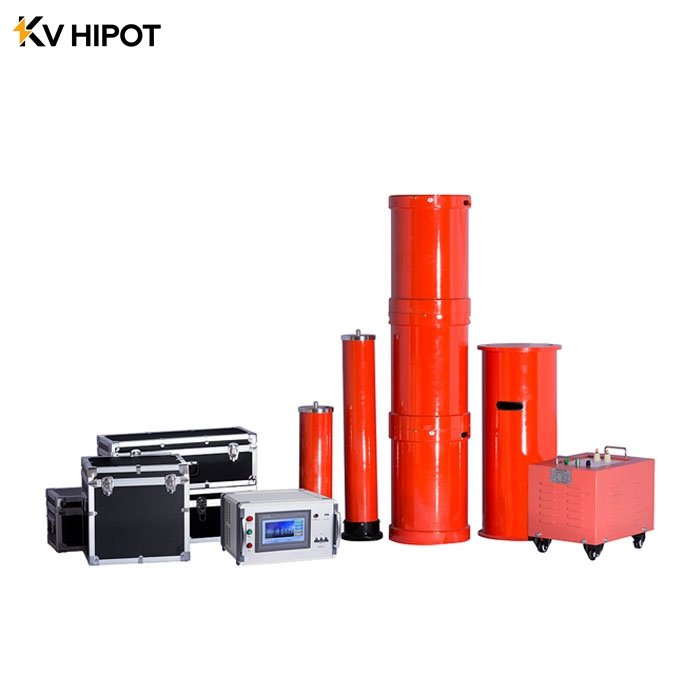
Very Low Frequency (VLF) testing for all medium voltage cables during commissioning and diagnostics. SEC acceptance requirements are generally framed based on the principles of international standards IEEE 400.2 and IEC 60502-2.

Testing large, high-voltage electrical equipment like long XLPE cables, GIS, and large transformers is a serious challenge. AC Resonance Test Systems is essential test equipment for hv electrical equipment .

Selecting the right parameters for a Transformer Megger Test is not a guessing game; it is a science based on standards and physics.

Battery test equipment is the insurance policy for your backup power. Whether you use a quick handheld tester for monthly checks or a load bank for annual verification, regular testing ensures your systems stay online when the grid goes down.

The turns ratio and current ratio of transformers across different voltage levels are fundamentally the result of comprehensive design based on the law of electromagnetic induction, taking into account voltage levels, rated capacity, application scenarios, and grid requirements. From the 1:25 turns ratio in low-voltage distribution networks to the 2:1 turns ratio in ultra-high-voltage grids, variations in the transformation ratio directly determine the distance, capacity, and efficiency of power transmission.

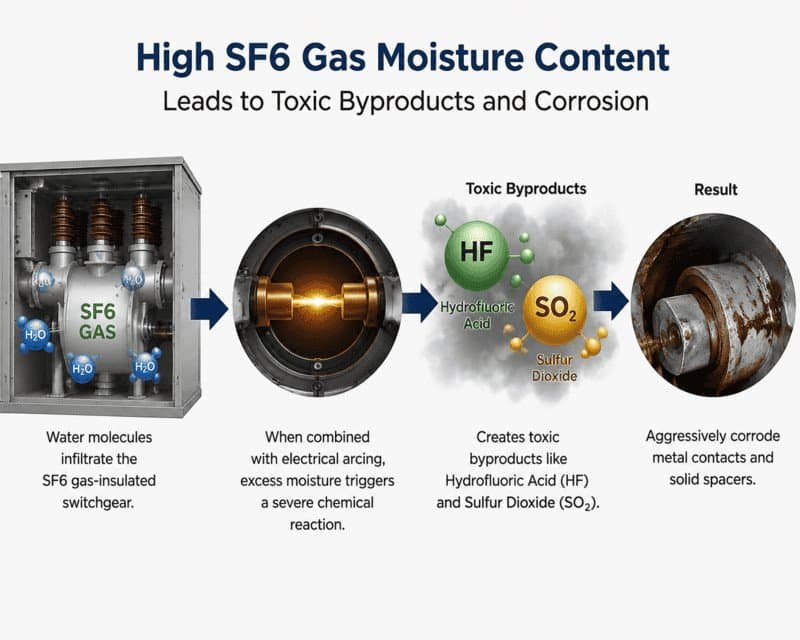
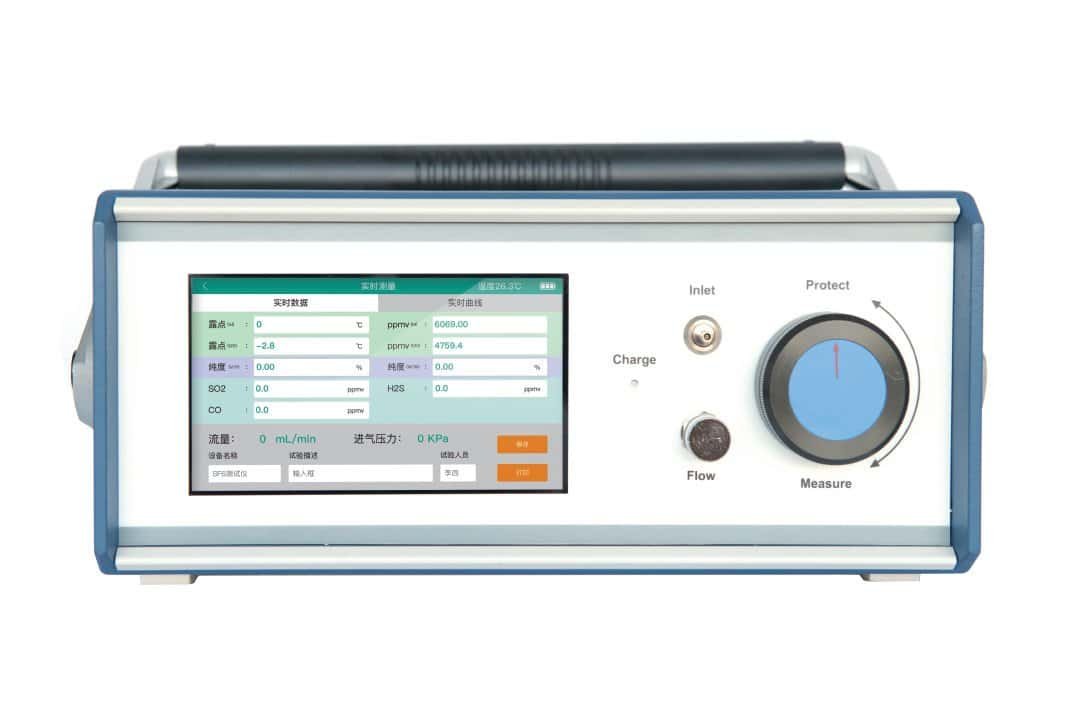
Safety is the foundation of our industry. We build these powerful electrical systems to power the world, but we must respect the chemistry inside them. SF6 gas is a miracle insulator, but when it breaks down, it becomes a hazard.