
What is the dielectric test of a transformer?
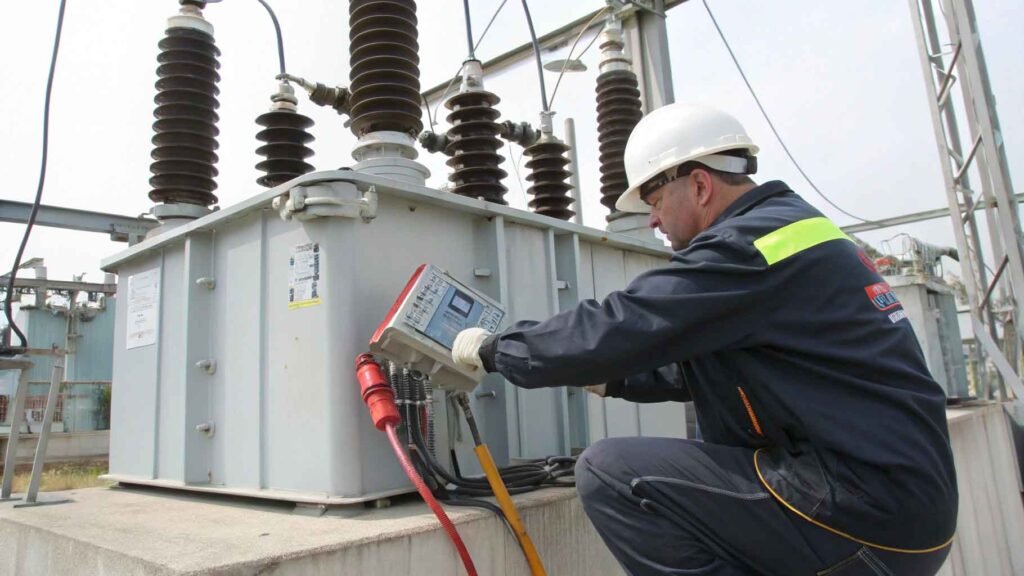
Dielectric tests are vital for transformer reliability. Tests like Separate Source, Induced Voltage, and Partial Discharge measurement verify insulation strength, ensuring safe operation and preventing costly failures.
How Do You Practically Test Insulating Oil Breakdown Voltage (BDV) Following IEC 60156

Are you unsure about your transformer oil’s health? Worried about sudden failures and costly downtime? Regular Breakdown Voltage (BDV)[^1] testing using an insulation oil tester gives you crucial insights. BDV testing measures the voltage where insulating oil electrically fails. Following IEC 60156[^2] involves applying increasing voltage across electrodes in an oil sample until an arc […]
Cable withstand voltage test choose VLF Tester or DC Hipot Tester?
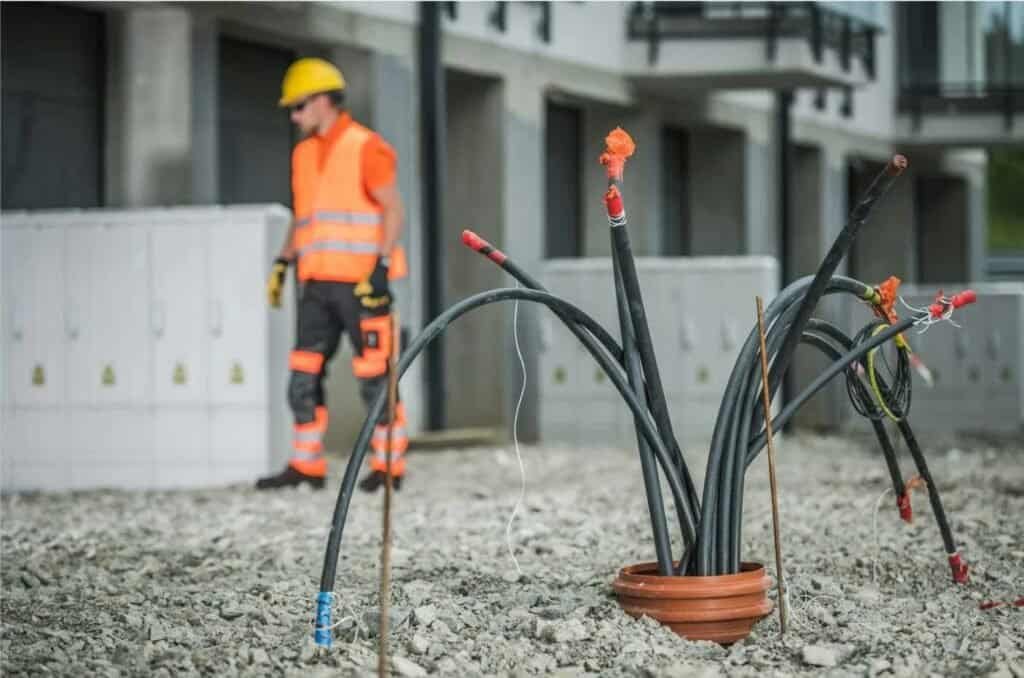
VLF testing uses very low frequency AC voltage and is the preferred, safer method for testing modern cables like XLPE. DC Hipot testing uses direct current and can damage these cables.
How does discharge rate affect battery capacity?
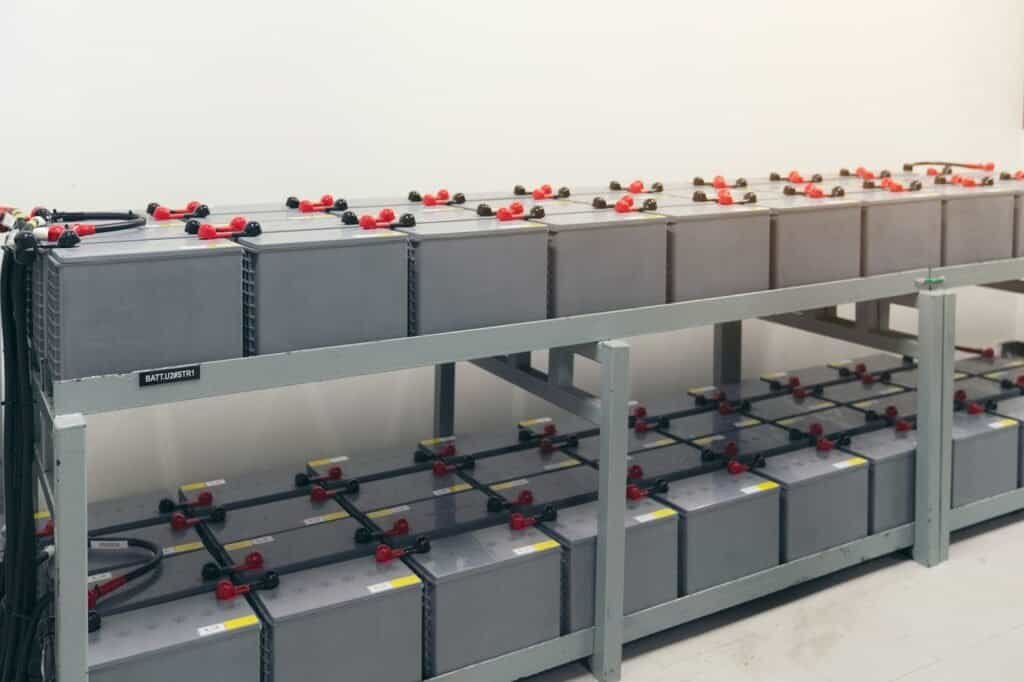
Tired of batteries underperforming or failing unexpectedly? This costs you time and money when critical systems don’t last as long as planned. Understanding the discharge rate[^1]’s impact is vital. Discharging a battery at a higher rate generally reduces its available capacity compared to a slower discharge. This happens because faster discharging increases internal losses like […]
Prueba de tan delta a 10 kV frente a la prueba de tan delta en aceite: ¿qué método es más eficaz?
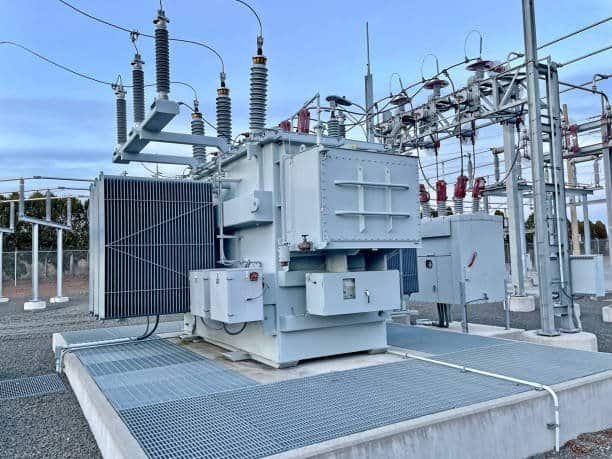
Las pruebas de pérdida dieléctrica a 10 kV y las pruebas de pérdida dieléctrica del aceite son evaluaciones fundamentales del aislamiento en los sistemas de energía eléctrica. La prueba de pérdida dieléctrica a 10 kV ofrece una evaluación integral del sistema de aislamiento del transformador, tomando en cuenta el desempeño de toda la estructura de aislamiento, incluyendo el aislamiento de los devanados, el aislamiento del núcleo y los aceites aislantes bajo la tensión de operación real.
How to test Hight Voltage Circuit Breaker ?
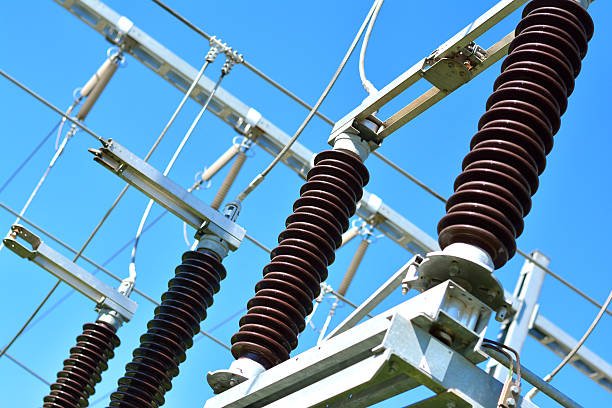
Through the acceptance test for electrical testing of High voltage circuit breaker, the performance indexes of the equipment can be comprehensively tested, potential defects and hidden dangers can be found in time to ensure that the equipment can work stably and reliably for a long time after it is put into operation.
What Are the Best Voltage Withstand Test Methods for Power Cables?

This article mainly discusses the test methods of oil-impregnated paper-insulated cables, plastic-insulated cables and cross-linked polyethylene cables, and the common electrical tests include DC withstand voltage and leakage current tests, VLF withstand voltage tests, Power frequency AC resonance withstand voltage testing , partial discharge tests and so on.
What is rated power frequency withstand voltage?
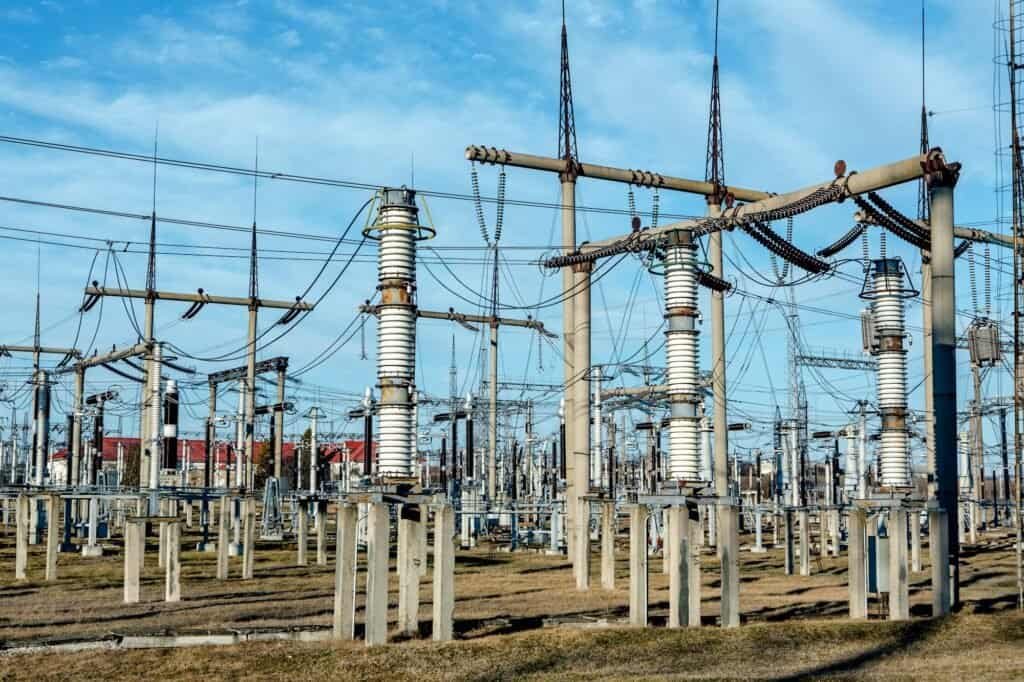
Rated frequency withstand voltage is the maximum voltage that electrical equipment or its insulation system can safely handle during normal operation at the rated frequency (such as 50Hz or 60Hz). Under this voltage, the equipment can operate normally without experiencing insulation breakdown or other failures.
What is the difference between transformer “Type testing”and “Factory acceptance testing”(FAT)?

we will analyze the differences between transformer type testing and transformer factory acceptance testing in terms of standard basis, test items, parameter requirements, and criteria for passing judgment. This analysis aims to provide valuable references and guidelines for the design, manufacture, acceptance, operation, and maintenance of transformers.
What is battery charger discharger ?
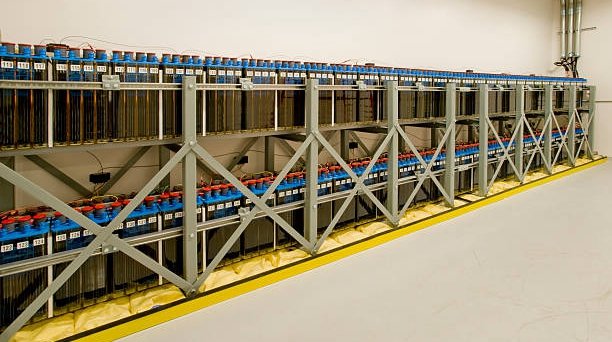
A battery charger discharger is an advanced piece of equipment designed to perform two critical tasks: charging a battery to its full capacity and discharging it to measure performance, capacity, and other key parameters. These systems are commonly used for testing and maintaining batteries in various applications, ensuring their optimal operation and longevity.

 English
  ไทย
ไทย  Tiếng Việt
  العربية
  Русский
  Italiano
  Español
  한국어
한국어  Português do Brasil
  Français
  Español de Colombia
  Español de México
  Português
  Türkçe
  Čeština
  Español de Argentina
  Slovenčina
  Dansk
Dansk  Polski
  Deutsch
  Svenska
  Ελληνικά
  O‘zbekcha
  Bahasa Indonesia
  Română