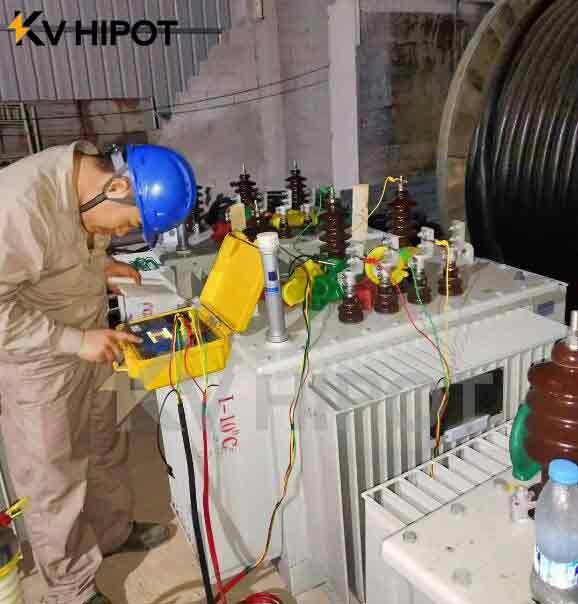
يعد جهاز اختبار مقاومة العزل أداة أساسية للصيانة التنبؤية. إن فهم كيفية عمله، والمعايير التي توجه استخدامه، والطرق التي يمكنك تطبيقها هو المفتاح لحماية أصولك الكهربائية الأكثر قيمة.
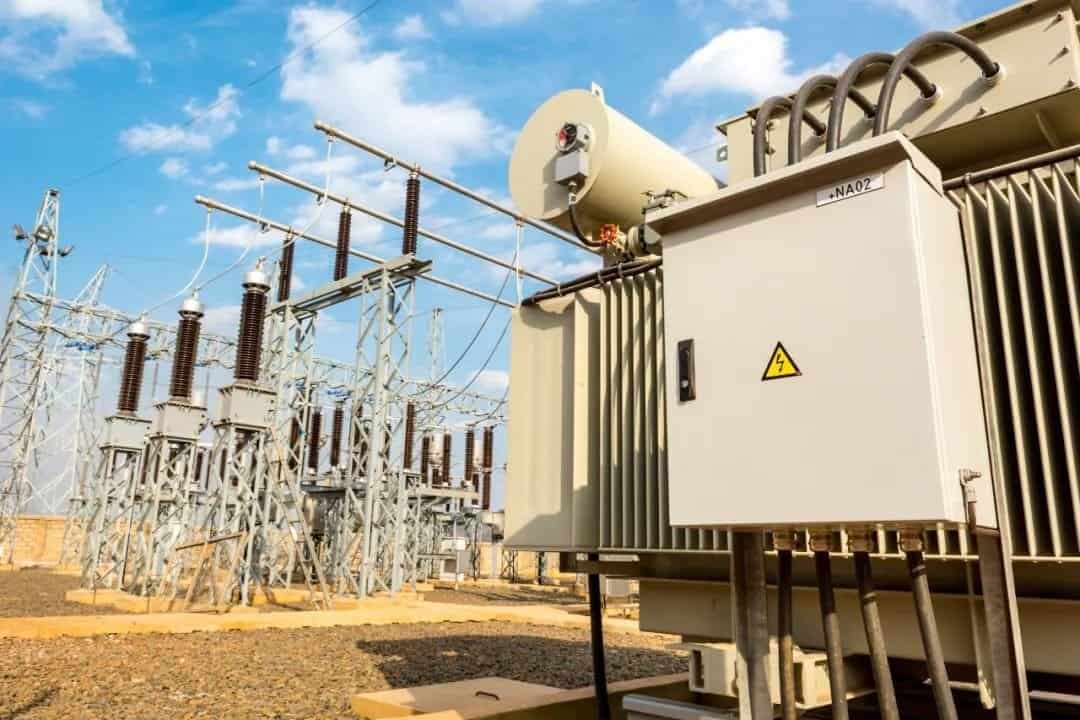
Primary injection testing is essential for keeping substations safe and reliable. Understanding how to read the test results, following the right steps, using the right equipment, and knowing the benefits can help you make sure your electrical system works as it should
BDV test is your first line of defense against catastrophic failure. It is the single most effective action to protect high-value capital, eliminate unplanned downtime, and create a fundamentally safer operating environment.
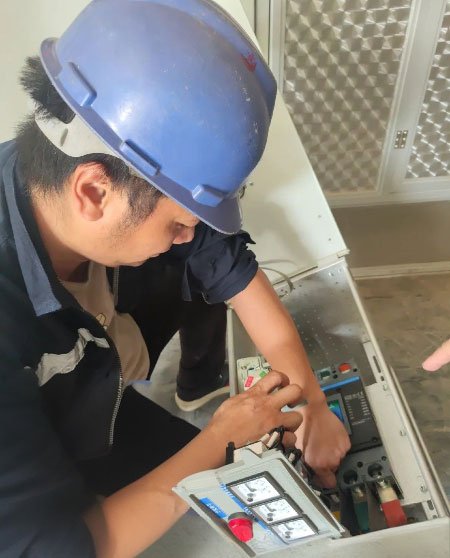
Primary injection testing is a fundamental process for ensuring your electrical protection systems are reliable. It verifies the entire circuit, giving you peace of mind that your equipment will work when it matters most.
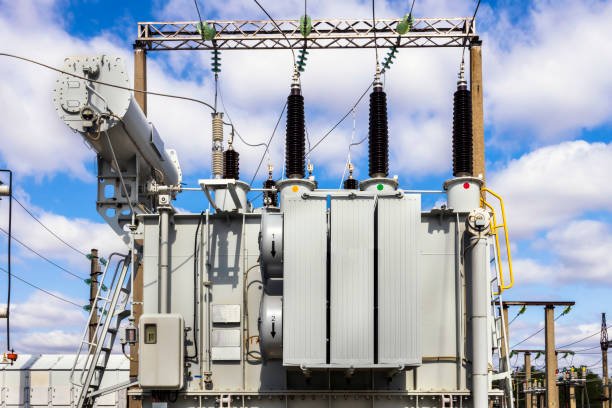
Aging transformer oil threatens your equipment’s safety. A sudden failure can cause catastrophic damage and costly downtime. Knowing the signs for oil replacement or reclamation prevents this. The key signs include low dielectric strength, high moisture content, increased acidity, poor color, and concerning results from Dissolved Gas Analysis (DGA).
VLF testing is the key to maintaining uptime and asset health. VLF testers are crucial for renewables because they effectively test the vast underground cable networks in wind and solar farms. This preventative maintenance identifies insulation weaknesses in MV cables, preventing costly outages and ensuring uninterrupted power generation, which is vital for grid stability and project profitability.
VLF testing can help avoid these issues. VLF (Very Low Frequency) testing ensures the reliability of wind and solar farms by detecting insulation weaknesses in cables and electrical components. This early detection prevents failures, reduces downtime, and optimizes maintenance, ensuring a stable energy supply.
A transformer turn ratio tester measures the ratio of the high-voltage winding to the low-voltage winding in a transformer. This test helps find problems like shorted turns or open windings. It ensures the transformer works as it should.
A transformer turn ratio (TTR) tester is used to measure the ratio of the number of turns in the primary winding to the number of turns in the secondary winding of a transformer. It helps detect faults in the transformer, such as shorted or open windings, and ensures the transformer is operating correctly.
Cable Hipot testing is a high-voltage test that verifies the insulation integrity of a cable. It helps detect manufacturing defects, installation damage, or degradation, ensuring reliability and preventing unexpected breakdowns in your power systems